
Deep Dive
来自我们记者的行业洞察

The Construction Industry Career Crisis: Can the Industry Attract Millennials and Gen Z?
The construction industry is facing a skilled labor crisis, and attracting Millennials and Gen Z has become a challenge. This article analyzes key factors such as compensation perceptions, work flexibility, early talent cultivation, and technology adoption, and cites expert opinions to explore how the industry can adjust its strategies to attract young talent.
Construction Industry Career Crisis: Recruiters Target Young Workers Driving the 'Great Resignation'
The construction industry is facing a severe skilled labor shortage, and recruiters are turning their attention to young workers who are driving the 'Great Resignation.' Despite the industry's urgent need for talent, surveys show that construction ranks last among Generation Z's career choices. This article explores the industry's predicament, its causes, and corporate responses.
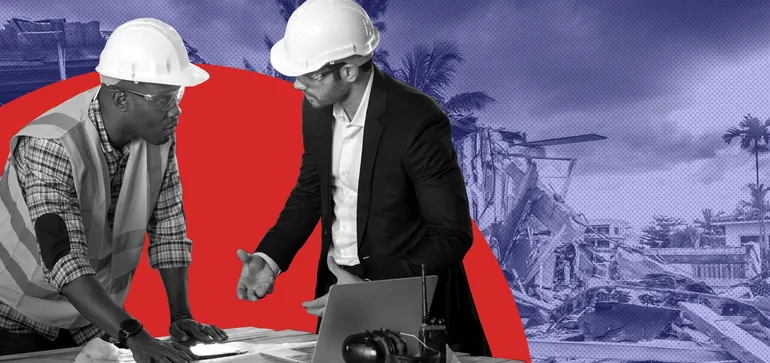
The Career Crisis in the Construction Industry: How Did We Get Here?
The construction industry is facing a severe skilled labor shortage, with 92% of contractors reporting difficulty in hiring. This article reviews employment data from the 2006 peak to the pandemic impact, analyzes deeper causes such as higher education orientation, vocational education funding gaps, working conditions, inadequate management training, and the retirement of baby boomers, and looks ahead to future recruitment strategies.
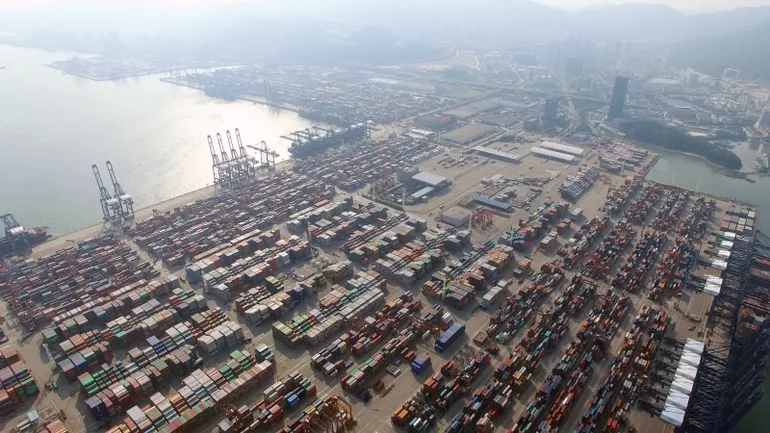
Rise of Supply Chain Diversification Trend, 'Made in China' Label Faces Re-evaluation
Multiple risks such as rising costs, trade wars, and the pandemic have prompted American companies to reassess their procurement strategies from China, shifting from single-source dependence to diversified layouts, but China's core position in the global supply chain is difficult to replace in the short term.
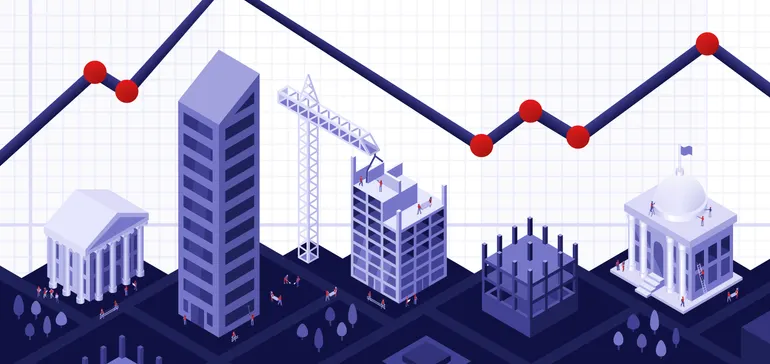
Soaring Material Prices Trigger Industry Anxiety, Contractors in Trouble
Material costs have been soaring since last spring, putting unprecedented pressure on contractors regarding project budgets and schedules. Industry experts point out that multiple factors, including the pandemic, supply chain disruptions, production limits in China, and the Texas winter storm, have combined to cause prices to spiral out of control. Contractors are responding through design optimization, early procurement, enhanced cooperation, and the adoption of price adjustment clauses, but risks remain high.
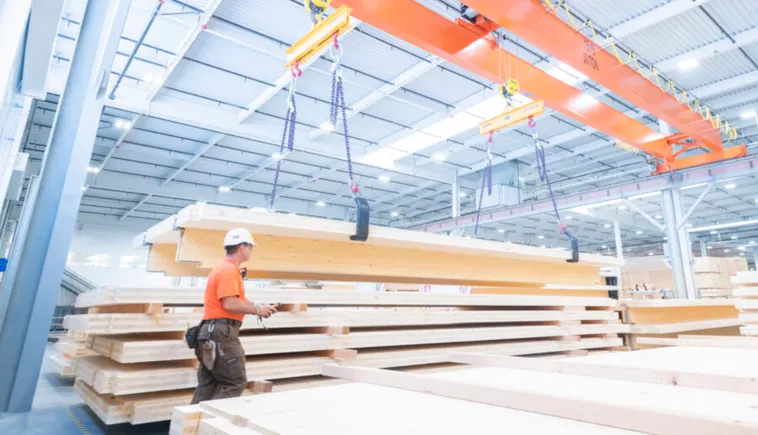
What Does Katerra's Bankruptcy Mean for Construction Technology and the Modular Industry?
Katerra, a construction startup that received over $2 billion in investments from SoftBank and others, with a valuation once reaching $4 billion, filed for bankruptcy in June 2021. Its failure stemmed from excessive vertical integration, rapid expansion, and insufficient market acceptance. Industry observers believe that Katerra's lessons will prompt later entrants to advance modular construction and construction technology more cautiously, while funding in this sector still hit record levels in 2021.
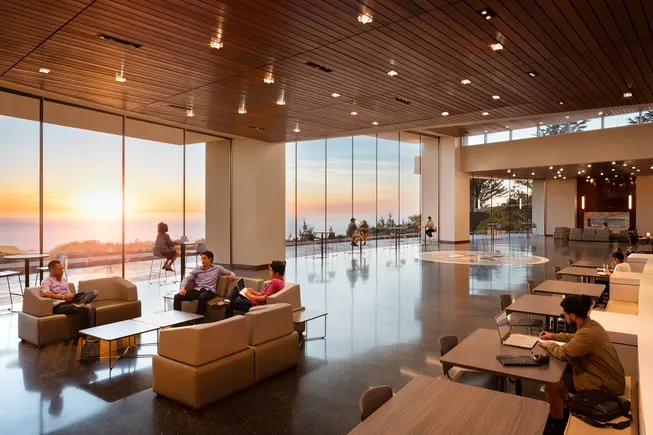
Construction Industry Diversity Data Raises Concerns: How Three Contractors Are Breaking Through
Diversity data in the construction industry has remained low for a long time, but some contractors are driving change by setting goals, adjusting subcontracting processes, and strengthening community partnerships. This article presents the specific practices and outcomes of XL Construction, Turner & Townsend, and PCL Construction.
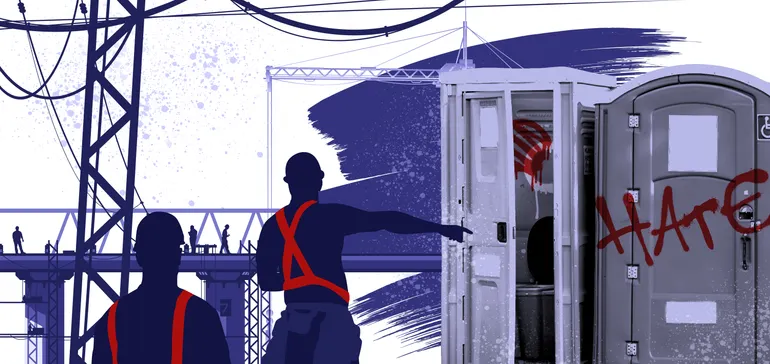
Construction Inclusion Week: Why Six Top CEOs Are Drawing a Red Line Against Workplace Hate
After more than 20 hate incidents on North American construction sites in the past 18 months, CEOs of six industry giants announced the launch of the inaugural Construction Inclusion Week on October 18, covering over 200,000 workers. They vowed to eliminate hateful behavior through firings and termination of subcontracts, and to promote industry diversity.
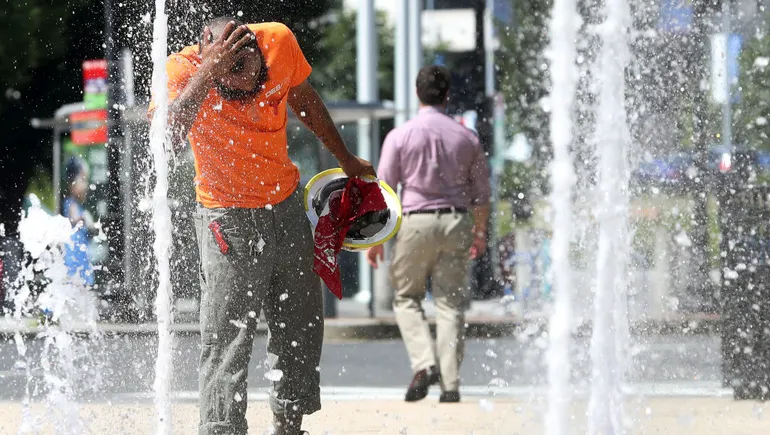
Does Climate Change Constitute a Worker Safety Issue?
The remnants of Hurricane Ida caused widespread flooding across the northeastern United States, highlighting the direct threat of extreme weather to workers. Although most corporate leaders have not prioritized climate change, regulations and practices have already pushed employers to focus on issues such as heat illness prevention and emergency planning. This article combines case studies and expert opinions to analyze how climate change is reshaping worker safety strategies.
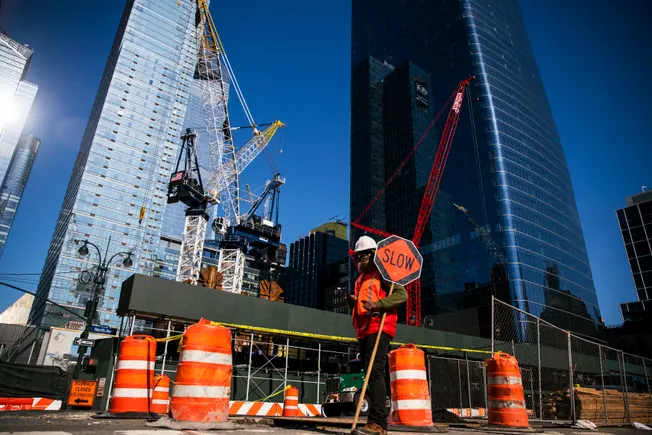
What is the COVID Risk in Construction? The Divergence Between Data and On-Site Experience
The COVID-19 infection risk in the U.S. construction industry presents vastly different pictures depending on data sources and statistical methods: some state data show relatively high proportions of infections and deaths in construction, while contractors generally report no cluster transmissions on sites. The absence of nationwide tracking data and inconsistent state-level statistical approaches make it difficult to determine the industry's true risk.