
Deep Dive
来自我们记者的行业洞察
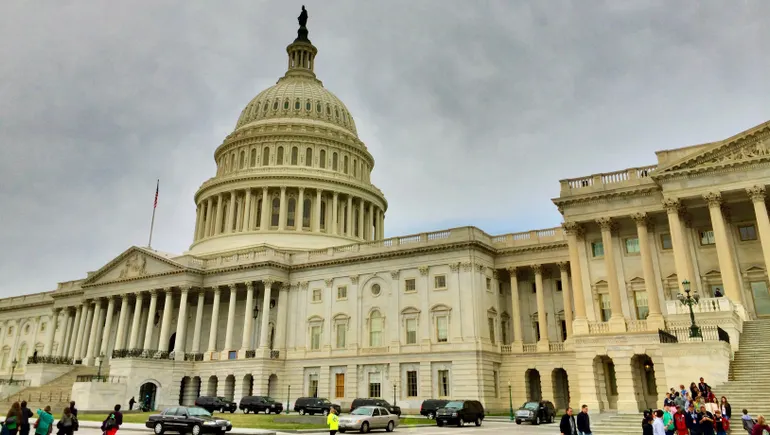
Can the PRO Act Become Law?
After passing the House of Representatives, the Protecting the Right to Organize Act (PRO Act) faces severe challenges in the Senate. Despite Senate Democratic Leader Schumer's efforts to seek support, the bill may be stalled due to Republican filibusters. This article outlines the bill's core content, key lawmakers' positions, lobbying actions by unions and employer groups, and possible legislative paths.

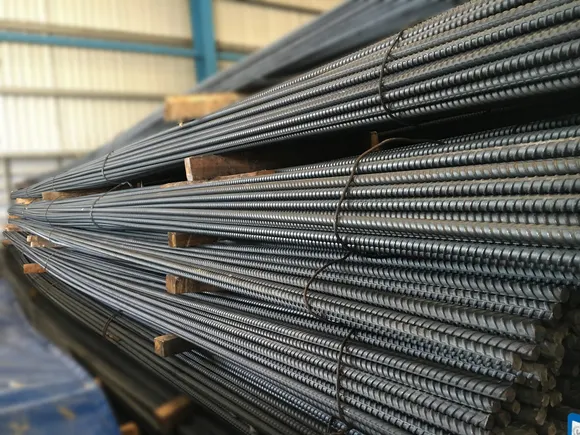
Soaring Building Material Prices and Supply Chain Delays Make Owners and Developers Hesitant Again
Despite contractors' high expectations for a recovery in 2021, record increases in material costs, longer delivery times, and tighter financing conditions are prompting some owners and developers to postpone or reassess projects. Industry data shows that construction input prices have risen at their fastest year-over-year pace in 35 years, while bid prices have only increased slightly by 0.5%, severely squeezing profit margins.
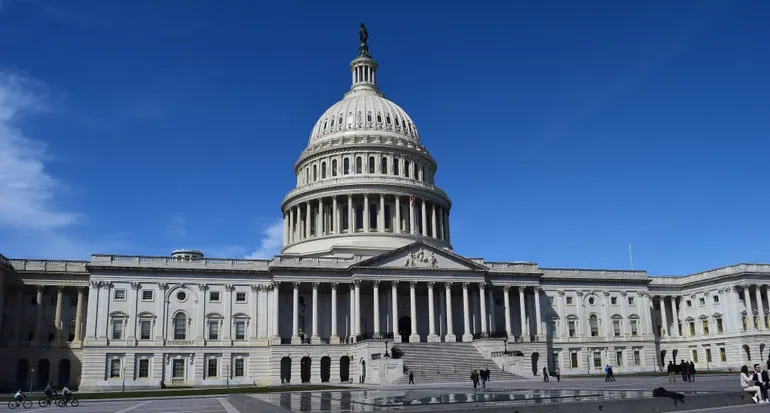
How the PRO Act Could Reshape Employment Patterns in the Construction Industry
Democratic lawmakers reintroduced the Protecting the Right to Organize Act (PRO Act) on Thursday, a bill aimed at amending the National Labor Relations Act to redefine employers and employees, grant more rights to independent contractors, and potentially alter how unions negotiate with employers. Given the construction industry's unique multi-contractor and multi-subcontractor employment model, if the bill passes, general contractors may bear greater responsibility for all workers on site. Union organizations generally support the bill, while employer groups such as the Associated General Contractors of America (AGC) and the Associated Builders and Contractors (ABC) strongly oppose it. The bill faces Republican obstruction in the Senate, leaving its prospects uncertain, but some provisions could be enacted through other legislation or executive orders.
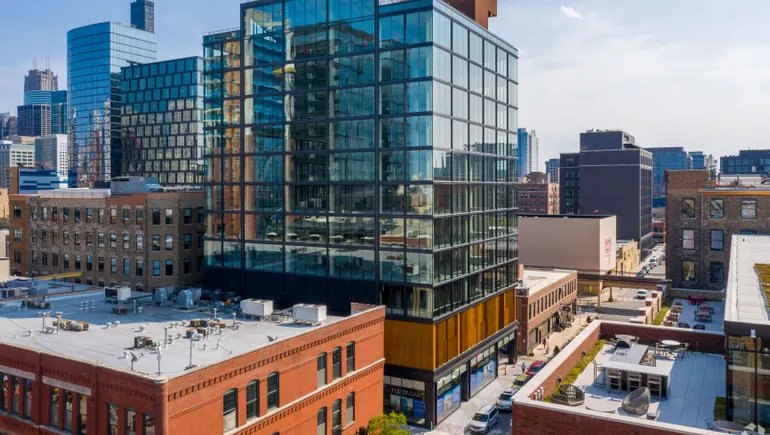
The New Normal in Post-Pandemic Design: How Offices, Hotels, and Mixed-Use Developments Respond to COVID-19 Changes
The United States has entered the mass vaccination phase for COVID-19, and the physical threat of the pandemic may recede, but the construction industry will continue to respond to the pandemic through design for years to come. This article outlines design trends and contractor response points for three major space types: offices, hotels, and multi-family residential.
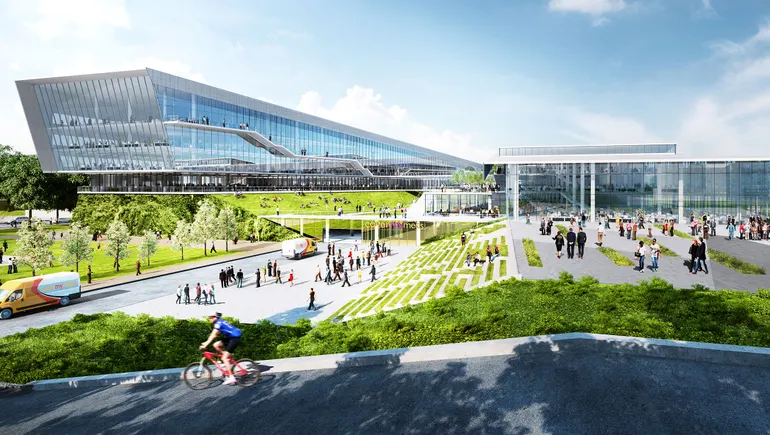
Against the Trend: Six Owner Projects Continue in the Construction Industry's Most Challenging Sectors
The pandemic has hit the non-residential construction market hard, with significant declines in spending in the hospitality, office, and retail sectors. However, some owners and developers, leveraging long-term investment perspectives and financial strength, are still proceeding with projects as planned. This article lists six representative projects that continue construction in difficult sectors, covering hotels, office buildings, mixed-use developments, and retail complexes.

Five Key Questions Employers Must Carefully Answer Before Implementing COVID-19 Vaccination Policies
On December 16, 2021, the U.S. Equal Employment Opportunity Commission (EEOC) issued guidance clarifying that employers may require employees to provide proof of COVID-19 vaccination without violating anti-discrimination laws such as the Americans with Disabilities Act. However, this guidance does not fully approve mandatory vaccination and leaves many unresolved questions. This article outlines five key questions employers must answer before adopting vaccine policies, covering exemption exceptions, vaccine mandate stages, paid leave and incentives, employee refusal to vaccinate, and future policy evolution.
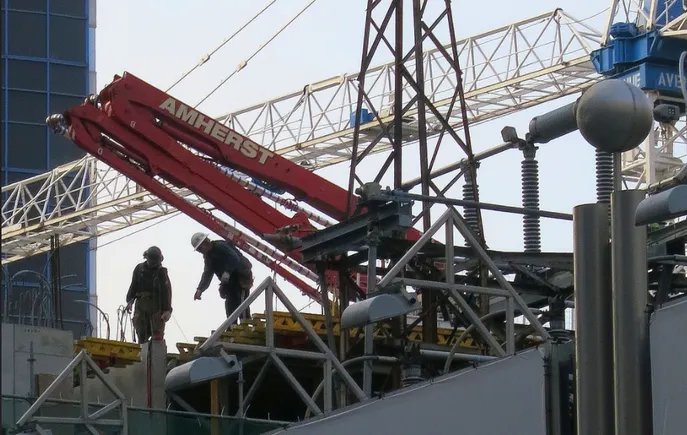
2021 Construction Industry Outlook: Six Trends to Dominate the Sector
The construction industry was hit hard in 2020, but many economists and industry leaders are optimistic about 2021. Based on interviews with experts including Anirban Basu, Chief Economist at ABC, Tom Stringer, Managing Director at BDO, and Michelle Meisels, Head of Engineering and Construction at Deloitte, this article outlines six trends that will influence the direction of the industry in the new year: the survival crisis of subcontractors, the normalization of epidemic prevention on construction sites, building a workforce for demand rebound, the infrastructure investment agenda, the recovery of office and manufacturing warehouse projects, and the strategic upgrade of environmental sustainability.

Tax Policy Changes Ahead: Key Points for Contractors
As the end of 2020 approaches, construction contractors need to complete year-end financial closing and tax planning amid the pandemic's impact. Experts point out that accounting method choices, potential tax reforms under the Biden administration, tax treatment of the CARES Act and PPP loans, and the research and development tax credit all affect corporate tax burdens. This article integrates advice from multiple accountants, emphasizing the central role of cash reserves in decision-making.
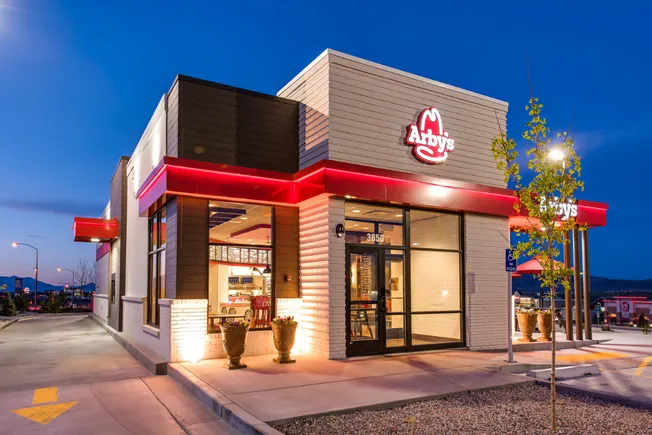
Pandemic Accelerates Drive-Thru Design Innovation in Fast Food Industry
The pandemic has prompted fast food brands such as Arby's, McDonald's, and KFC to redesign their drive-thru lanes, enhancing efficiency and accuracy by adding more lanes, introducing digital menus, and adopting AI technology. Industry surveys show that 38% of franchisees have already added drive-thru capabilities, while multiple brands plan to launch new store models that reduce dine-in options.