
Deep Dive
来自我们记者的行业洞察

US immigration enforcement against employers is progressing gradually, but intensity may significantly escalate
Although the Trump administration previously promised large-scale workplace enforcement, ICE is currently targeting mainly small businesses. Experts expect that as funding and staffing expand, enforcement intensity will significantly increase, and employers need to prepare in advance for I-9 audits and site inspections.
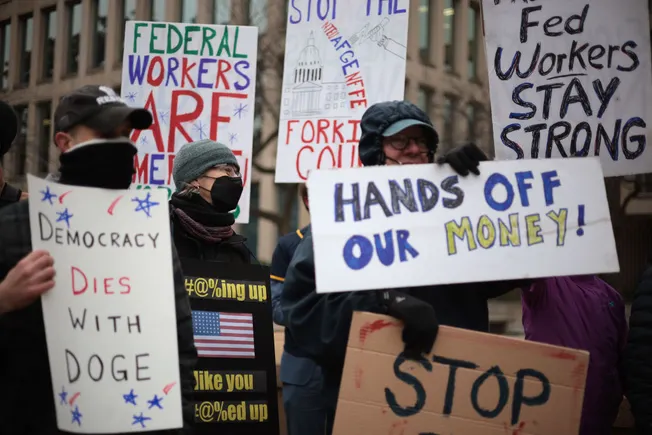
Under the DOGE Layoff Storm, What Changes Do Washington D.C. Apartment Owners Face?
The Washington D.C. apartment market has long been regarded as a safe haven, but the federal layoff actions by the Trump administration and DOGE are breaking this calm. Although owners have not yet seen direct effects, potential risks are intertwined with market diversification trends, and the industry is closely monitoring developments.
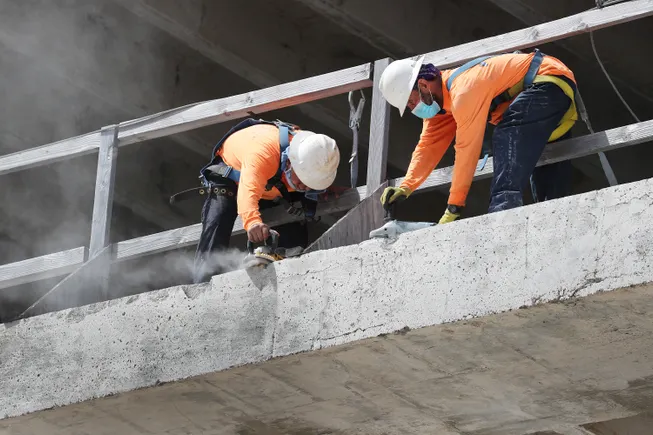
Five years after the pandemic, contractors are still waiting for building material prices to fall
Five years after the COVID-19 outbreak, nonresidential construction input costs in the U.S. remain about 40.5% higher than in February 2020, far from returning to pre-pandemic levels. While supply chains have partially recovered, new tariff threats in 2025 are driving material prices up again. Industry experts expect that unless a 'black swan' event occurs, construction costs are unlikely to decline significantly in 2025.
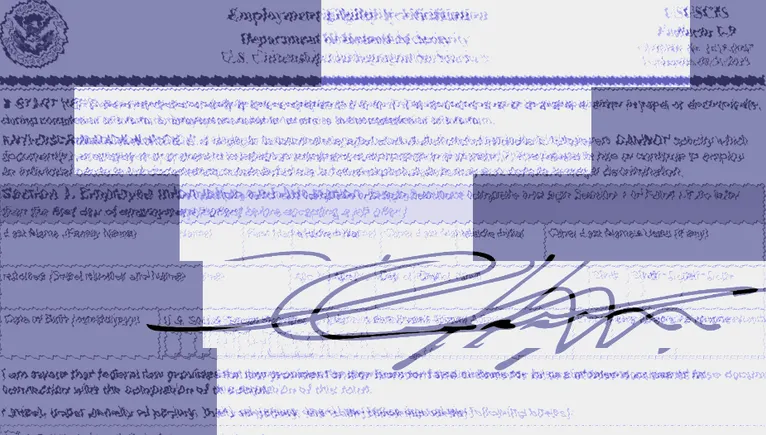
Improper Handling of Electronic I-9 Forms Could Become Another Costly Immigration Compliance Risk for Employers Under the Trump Administration
The Trump administration has intensified immigration enforcement. Beyond workplace raids, improper handling of electronic I-9 forms is emerging as another potentially costly risk for employers. Immigration compliance experts caution that third-party I-9 software used by many employers may have compliance issues, including pre-filled employee information and electronic signatures lacking necessary audit trails. If discovered during ICE audits, employers could face fines of up to $2,861 per violation.
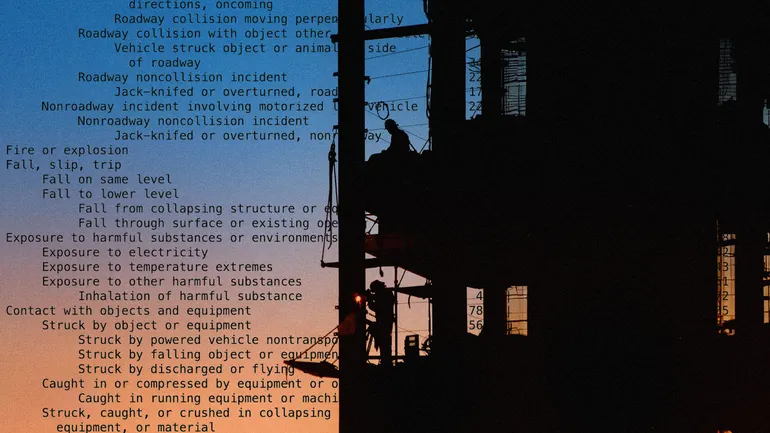
Contractors Shift to New Methods for Tracking Site Safety: Focusing on 'Fatal Risks'
The fatality rate on construction sites has stagnated for a decade, and traditional safety metrics like TRIR are criticized for failing to reflect real risks. Sundt introduced the STCKY program, focusing on 'potentially fatal risks,' and improved SIF prevention success from 6% to 65% by categorically recording successes, luck, and injuries. Companies like Hoar Construction and KS Industries also optimize safety planning by identifying precursor factors of SIF. Experts believe that focusing on the most dangerous activities is more effective in protecting workers than simply pursuing zero accidents.
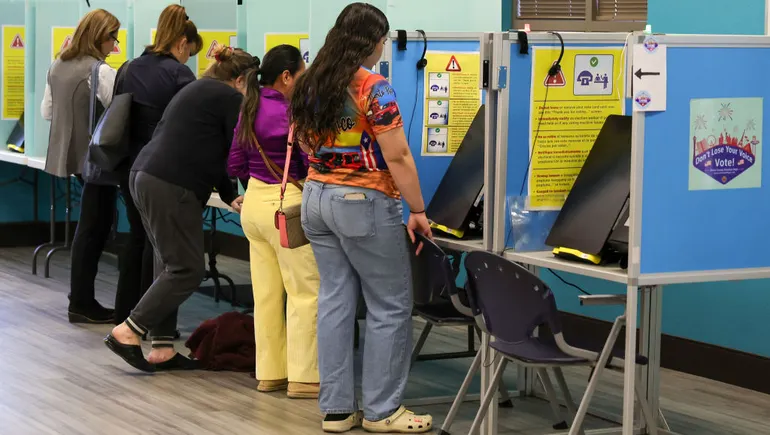
2024 Election Uncertainty Dampens Construction Activity, Public Projects Still Steadily Advancing
The latest index from the National Federation of Independent Business shows small business owner uncertainty at a record high. Construction industry professionals say election anxiety is dragging down overall construction activity, but public sector projects are still moving forward. The Federal Reserve's Beige Book and economists at multiple institutions have observed delays in private projects, while public areas such as infrastructure remain relatively immune.

About one-fifth of construction workers lack permanent legal status. Can the next president change this?
Approximately 23% of laborers in the U.S. construction industry are undocumented immigrants, and the sector faces labor shortages and challenges in legalizing status. As the 2024 election approaches, candidates from both parties hold divergent positions on immigration policy, with H-2B visa reform, DACA, and training programs becoming focal points.
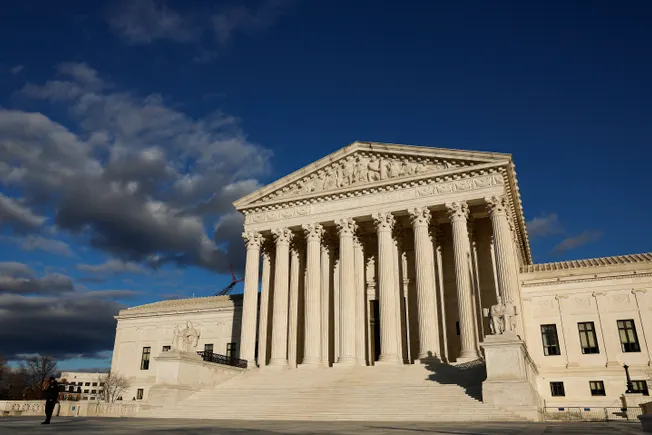
Supreme Court's Overturning of Chevron Doctrine May Trigger Environmental Lawsuits and Permit Delays in Construction Industry
After the U.S. Supreme Court overturned the Chevron doctrine in June, construction-related regulations face challenges, potentially leading to increased environmental lawsuits and permit approval delays. Experts anticipate that the National Environmental Policy Act, the Endangered Species Act, and OSHA's heat standards will become focal points of litigation.

How the U.S. Construction Industry Maintains Its Global Competitive Edge
Under the dual pressures of rising costs and labor shortages, the U.S. construction industry still maintains its lead among major global economies, thanks to federal funding injections, the trend of industrial reshoring, and contractors' regional flexibility. Based on reports from multiple institutions, this article compares the construction performance of China, Germany, the United Kingdom, South Korea, and New Zealand, and analyzes the structural drivers behind U.S. growth.
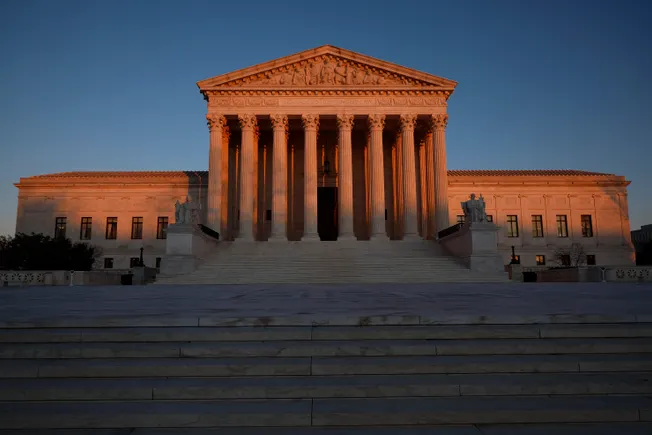
Regulatory Outlook Employers Can Expect After the End of the Chevron Doctrine
U.S. federal courts have begun applying the Supreme Court's landmark ruling on June 28 that overturned the Chevron deference doctrine. The ruling could shake up multiple Department of Labor regulations, but existing compliance obligations remain unchanged in the short term. This article outlines the ruling's long-term impact on employers and recommended responses.