
Deep Dive
来自我们记者的行业洞察

Florida's 'Stop WOKE Act' May Put a 'Strategic Pause' on DEI Training
Florida Governor Ron DeSantis signed the 'Stop WOKE Act' on April 22, 2022, which takes effect on July 1, 2022, restricting public and private employers with more than 15 employees from teaching specific concepts related to race, color, sex, and national origin in workplace training. Legal expert Cindy-Ann L. Thomas believes the act will lead many employers to take a 'strategic pause' on DEI training and may trigger up to two years of litigation.
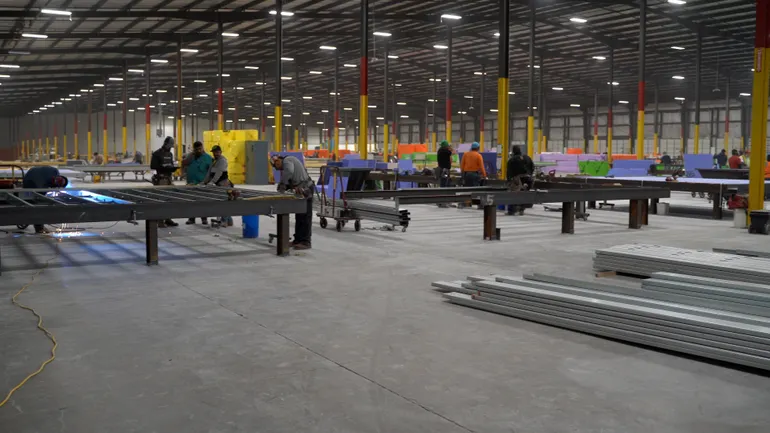
Why Modular Construction Has Not Fully Taken Off in Commercial Buildings
Modular construction was once highly anticipated, but in 2023 its share of new buildings in North America was only 5.5%. Contractors report that obstacles remain in design, manufacturing, transportation, and assembly stages, with a steep learning curve. Despite challenges, industry experts expect the market share to double to 10% over the next five years, with increasing applications particularly in healthcare and hospitality sectors.
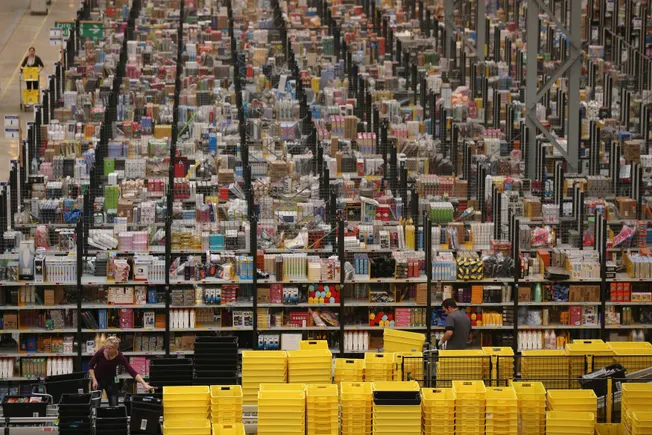
Amazon Slows Fulfillment Center Investment, Where Will It Turn Next?
Amazon nearly doubled its operational capacity over the past two years, with fulfillment center count growing by 30%. As the e-commerce boom cools, the company's CFO stated that fulfillment center spending will moderate, and future growth may align with other business segments. Experts believe Amazon will increase transportation investment to enhance delivery control and reduce costs.
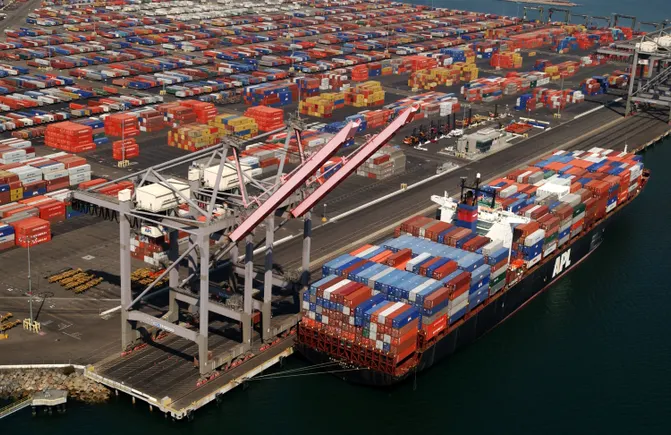
Stockpiling, Ghost Orders, and Temporary Warehouses: The New Survival Rules for the Construction Industry Supply Chain
With building material prices soaring and deliveries delayed, contractors are resorting to unconventional measures such as stockpiling, ghost orders, and temporary warehouses to keep projects on schedule. Industry data shows that nonresidential building input prices have risen by over 24% year-over-year, the highest since 1987. Experts predict that supply chain pressures will persist at least until the end of the year.

Analysis of Four Major Strategies Used by Large U.S. Companies to Tackle Inflation
U.S. companies are confronting the most severe inflationary challenges in over 30 years. As of early February 2022, 76% of S&P 500 companies exceeded fourth-quarter earnings per share expectations, but CFOs generally anticipate that inflation risks will persist in the first half of 2022. This article details how companies such as Procter & Gamble, Amazon, General Electric, and 3M are countering inflation through four major strategies: price increases, cost reduction, efficiency enhancement, and hedging, and cites Federal Reserve Chair Jerome Powell's prediction that inflation will ease.

Seven Trends Likely to Emerge in Human Resources in 2022
Based on HR Dive's predictions, this article outlines seven trends in human resources in 2022, including flexible work arrangements, autonomy in vaccine policies, employee care and telehealth, continuous and humanized performance evaluations, microlearning and on-demand learning, parental leave and pay transparency in DEI, and the resurgence of labor unions.

Can digital twins become the future of urban planning?
Digital twins, as 3D virtual replicas of the physical world, are being used by cities such as Boston, Chattanooga, and Las Vegas for planning simulations, traffic optimization, and building decarbonization. This article explores their application effectiveness, implementation barriers, and future prospects, citing insights from multiple experts and emphasizing the importance of data quality and human decision-making.
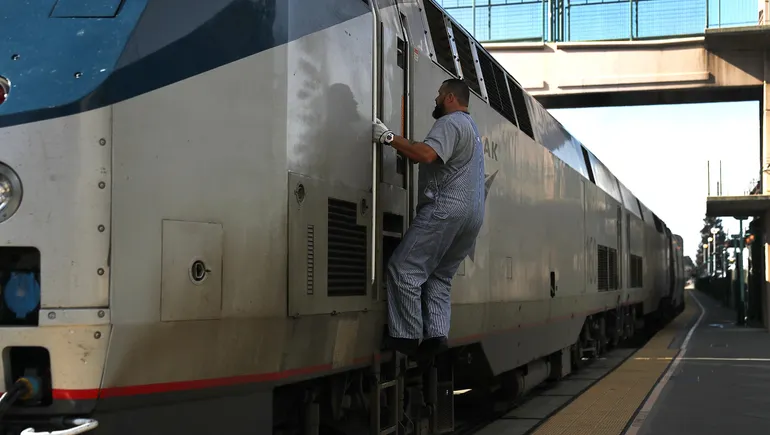
Amtrak Seeks to Expand Network Significantly by 2035, Riding on Federal Infrastructure Bill Momentum
Amtrak has released a vision plan to add more than 30 new routes and expand service on at least 20 existing routes by 2035, bringing 160 communities into the national rail network for the first time, if Congress passes the bipartisan infrastructure bill. The plan relies on federal funding and state cooperation, but the cooperation of freight railroads, funding feasibility, and the reality of demand remain contentious.
Food and beverage manufacturers set off a boom in new factory construction
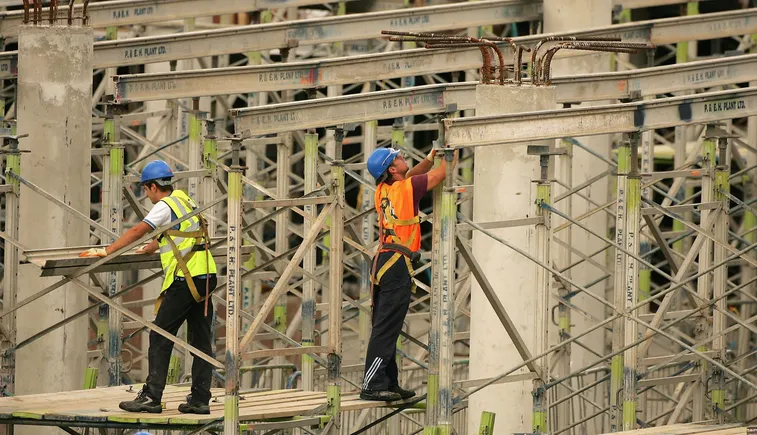
The pandemic has changed consumption patterns, leading food and beverage manufacturers to expand factories to meet home consumption demand. In 2021, there have been over 70 expansion projects, with industry investment recovering, but facing challenges such as material shortages and rising costs.
Career Crisis in the Construction Industry: How to Retain On-Site Workers and Sustain Industry Talent
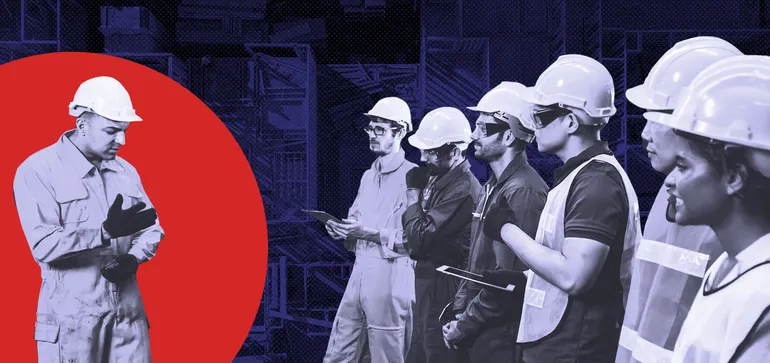
The construction industry faces a skilled labor crisis, with experts pointing to a lack of career awareness, retirement waves, and insufficient recruitment as main causes. Through insights from multiple industry leaders, the article explores how to retain workers and build professional pride by improving recruitment, leadership training, safety communication, cultural change, and technology application.