
Deep Dive
来自我们记者的行业洞察

The Talent War: How Construction Contractors Are Solving the Labor Shortage
After the outbreak of COVID-19, the labor shortage in the construction industry evolved from a chronic problem into a full-blown crisis. According to data from the Associated Builders and Contractors, the industry needs to add 430,000 workers this year and 1 million more over the next two years. Facing intense cross-industry competition for talent, contractors are employing various strategies: some are raising wages to retain workers, others are reshaping corporate culture, and still others are expanding recruitment channels. This article interviews multiple industry insiders to analyze the current state of this talent war and the strategies being used to address it.

Contractors caught between vaccine hesitancy and owner mandates
As the Delta variant drives a surge in COVID-19 cases in the U.S., the construction industry, after a brief recovery, is tightening pandemic measures again. Owners have begun mandating vaccinations for site workers, but vaccine hesitancy within the industry remains high, putting contractors under multiple pressures from labor shortages, on-site verification, and legal liabilities.

Mask and Vaccine Mandates Heat Up: Employers Have Options, but Consistency Is Key
With the pandemic rebounding in parts of the U.S. and the Delta variant spreading, employers are reassessing return-to-work policies. Target has reinstated mask requirements, while companies like Tyson Foods and Microsoft have introduced vaccine mandates. Legal experts point out that consistent policy enforcement and clear communication are key to mitigating risks, while also carefully handling employee exemptions and terminations.

Paid leave becomes a key factor in retaining talent
The United States only has the Family and Medical Leave Act, which provides 12 weeks of unpaid leave. Business leaders such as Shama Skinner of Thinx are calling on Congress to implement universal paid leave. Data shows that during the pandemic, women's labor force participation rate fell to its lowest since 1988, with childcare burdens leading to a large number of women leaving their jobs. Companies like Thinx offer 16 weeks of paid leave and a monthly childcare subsidy of $800 to improve retention rates. Experts recommend achieving 12 weeks of universal paid leave, covering gig workers, domestic workers, and farm workers.

Ten Key Provisions of the PRO Act Could Reshape the Landscape of U.S. Labor-Management Relations
The U.S. Protecting the Right to Organize Act (PRO Act) is pending Senate consideration. The bill proposes amendments to the National Labor Relations Act and other laws, involving key issues such as the classification of independent contractors, preemption of state laws, penalty mechanisms, and collective bargaining procedures. Based on Senate hearing testimonies and insights from multiple experts, this article systematically interprets the ten major changes the bill may bring.
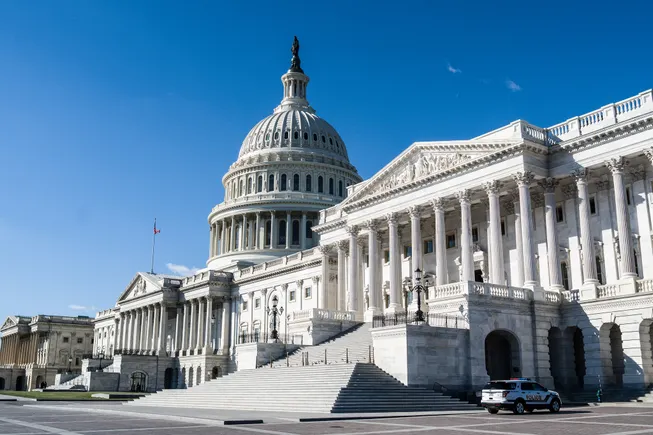
Infrastructure Bill Does Not Directly Raise Taxes, but Contractors Still Face Individual Tax Increase Risks
The tax debate surrounding the Biden administration's infrastructure and social spending plans has largely focused on the effective tax burden of large corporations. However, 84% of U.S. nonresidential construction firms are pass-through entities, whose profits are taxed at individual income tax rates. While the bipartisan $1.2 trillion infrastructure agreement does not touch corporate tax rates, the subsequent $3.5 trillion proposal could raise the top individual tax rate to 39.6% and phase out the 20% qualified business income deduction for high-income earners, significantly impacting the effective tax burden of most contractors.

Five Strategies for Construction Companies to Reduce Tax Burden
According to Construction Dive's analysis, in 2020, the 19 largest profitable construction companies had an average effective federal tax rate of only 16.8%, below the statutory rate of 21%. This article explores five main legal tax reduction strategies these companies employ, including asset depreciation, stock compensation, research and development tax credits, loss carryforwards, and the 179D energy-efficient deduction.


Contractors use technology to cope with supply disruptions, easing delays and price pressures
Although contractors are optimistic about project recovery in the second half of 2021, soaring material prices and supply chain delays have forced many projects to scale back. Industry economists expect the non-residential construction market to see significant growth only by 2022. Contractors are adopting technologies to track materials and adjusting construction sequences to mitigate impacts.

Six Key Things Contractors Should Know Before Bidding on Public Projects
The Biden administration recently proposed a $2.3 trillion infrastructure plan and a $1.52 trillion discretionary spending proposal for fiscal year 2022, creating numerous public project opportunities for contractors. However, bidding on public projects differs significantly from private projects, and contractors need to understand key aspects such as qualification applications, contract language, construction control, bid transparency, bonding requirements, and compliance obligations in advance. This article synthesizes insights from multiple legal and industry experts to provide practical guidance for contractors looking to enter the public sector.