
Deep Dive
来自我们记者的行业洞察
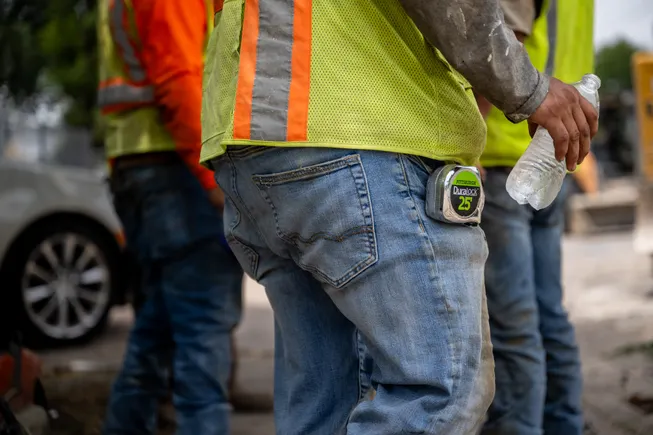
Heat Wave Hits, Contractors Say They Are Prepared
As temperatures across much of the western United States exceed 100 degrees Fahrenheit, construction contractors are activating summer heat prevention plans. Companies such as Skanska and Turner are responding to the heat by adjusting work schedules, setting up cooling stations, and enhancing training, emphasizing that safety investment is a necessary investment rather than a cost.
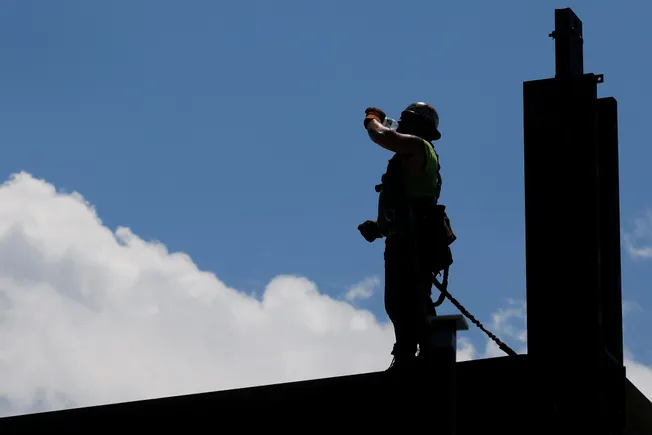
Texas, Florida, and Phoenix Heat Regulations Face Practical Tests
Recent heat-related regulations enacted or implemented in Texas, Florida, and Phoenix, U.S., will face their first real-world tests this summer. Texas and Florida prohibit local governments from mandating employer-provided water breaks, while Phoenix requires municipal contractors to develop heat safety plans. The article analyzes the regulatory background, points of contention, and progress on OSHA's federal standard-setting.

High interest rates persist, contractors and owners adopt a wait-and-see approach
Persistent high interest rates continue to impact the construction industry, increasing financing pressure on private projects and leading to delays and fewer starts, while public projects remain active due to different funding mechanisms. Industry experts believe that rate stability could be key to the sector's recovery.
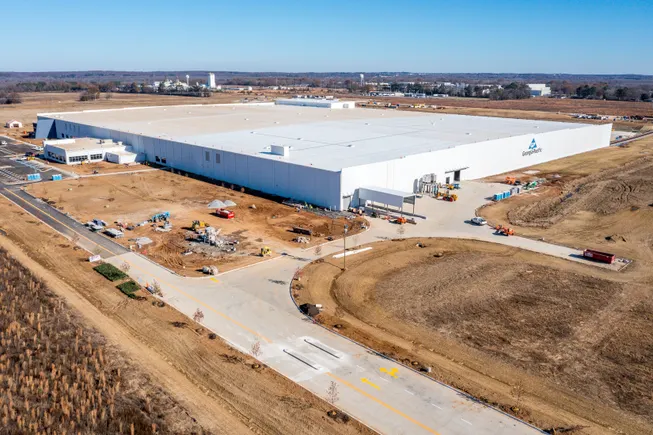
Manufacturing construction boom not over: why contractors are still going all in
After hitting a record high in May 2023, the manufacturing construction boom has shown signs of cooling, but most contractors say they have not felt a downturn and instead expect activity to accelerate in 2024. Companies such as PCL, JE Dunn, and Clayco all have substantial backlogs and benefit from funding from the Inflation Reduction Act and the CHIPS Act. However, challenges such as labor shortages and long equipment procurement lead times remain, which could impact project schedules.
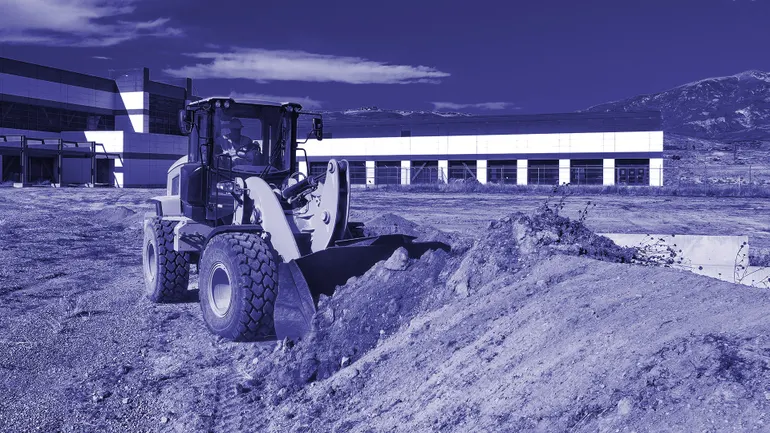
The U.S. manufacturing reshoring boom brings a 'once-in-a-lifetime' opportunity for contractors
The U.S. manufacturing reshoring drives over $500 billion in investment, presenting a historic opportunity for contractors, but they must address challenges such as labor shortages.

Passwords and Identity Authentication: Structural Flaws in Cybersecurity
This article provides an in-depth analysis of the structural flaws of password and identity authentication mechanisms in cybersecurity. Through interviews with multiple CISOs and security experts, it reveals core issues such as credential proliferation, identity abuse, and complex permission management, and explores the challenges and possible paths toward a passwordless future.

How Israeli Startup Culture Drives Innovation in Construction Technology
Israel is the world's third most active country for startups, and its construction technology sector benefits from tight community networks, government funding, and talent cultivated through military training. However, the local construction market is conservative and limited in scale, often forcing companies to expand overseas while balancing funding from innovation authorities and overseas R&D.
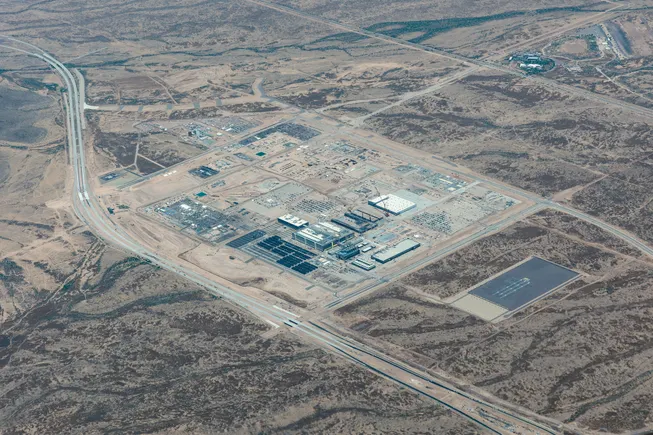
Large Manufacturing Projects Trigger Labor Competition
Chip giant TSMC's $40 billion plant in Arizona has been delayed to 2025 due to a lack of skilled workers. Nationwide, the concentration of large manufacturing projects has led to a severe shortage of construction labor, with the industry responding through wage increases, improved benefits, and calls for immigration reform.
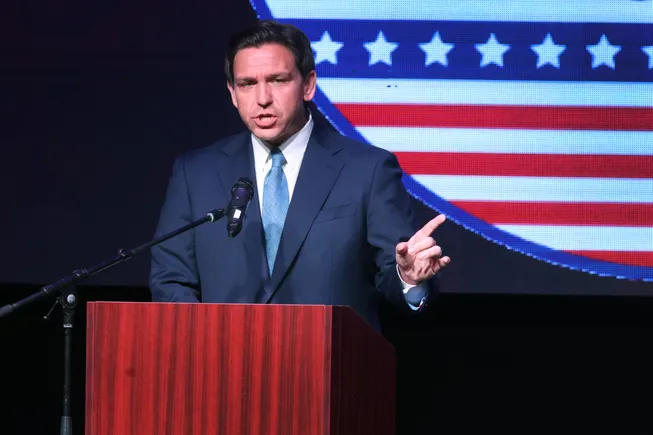
Florida's New Immigration Law Creates Uncertainty for Construction Contractors
Florida Governor Ron DeSantis signed SB 1718, requiring private businesses with more than 25 employees to use the E-Verify system, shaking the construction industry. According to local experts, immigrants without legal work authorization have begun fleeing the state due to fear of deportation, with some construction sites experiencing work stoppages. The bill takes effect on July 1, with violators facing a $1,000 fine per day.

The Role of AI in Construction: Replacing Jobs or Filling Labor Gaps?
Amid a persistent labor shortage in the construction industry, AI and robotics are being re-evaluated—are they a threat to jobs or the key to solving the manpower crisis? Henning Roedel, robotics lead at DPR Construction, points out that the industry's problem is not layoffs but a lack of workers. Through technologies such as AI-assisted drilling and computer vision, companies have achieved productivity gains of 6 to 8 times. Experts predict that AI will replace 85 million jobs globally over the next two years, yet demand for construction labor remains low. Meanwhile, legal experts caution that AI applications require vigilance against employment discrimination risks, and the complexity of industry terminology may also become an obstacle to technology implementation.