
97% of contractors lack real-time asset visibility, and most are not yet aware of its cost
A joint survey by AlignOps and Construction Dive found that 97% of construction companies lack real-time asset visibility, even after investing in technology. Most leaders overestimate their data-driven decision-making capabilities and actually rely on intuition. Fragmented systems and a lack of workflows lead to idle equipment, duplicate purchases, and lost tools, costing hundreds of thousands of dollars annually. Experts recommend using unified platforms and simple processes to validate intuition with data and shift from a reactive to a proactive stance.
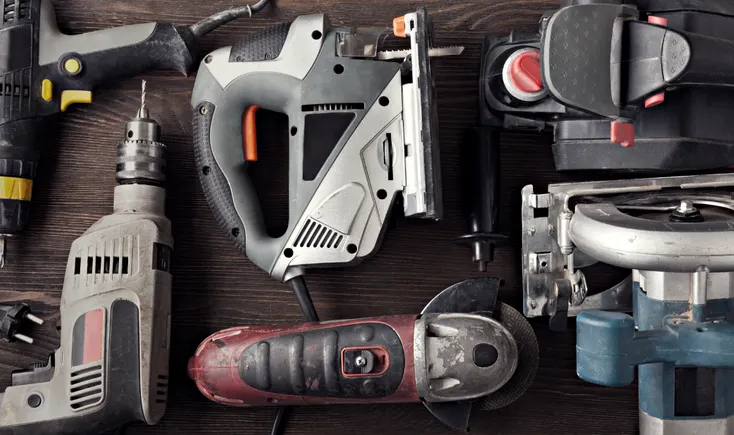
The construction industry faces relentless pressure: tight labor markets, rising material costs, constrained budgets, and shifting timelines—most of which are beyond contractors' control.
However, there is one area where contractors have full control: how they track and manage the tools, materials, and equipment they already own.
A 2025 survey by AlignOps, conducted with Construction Dive (part of Informa TechTarget's Studio division), shows that most construction companies spend hours each day searching for assets, reordering materials that are already in inventory but can't be located, and letting equipment sit idle—all while having already invested in technology meant to solve these problems.
The irony is clear: 97% of construction companies lack real-time visibility into their tools, materials, and equipment, even though they have deployed asset management systems. Nearly all respondents admitted that their teams frequently or sometimes struggle to find what they need. Yet, most feel at least somewhat confident in their organization's ability to make data-driven asset decisions.
This gap between confidence and reality is costing contractors more than they realize.
The Illusion of Control
Most construction companies do invest significantly in asset management. The survey found that 93% use asset tags or scanners, 82% use cloud-based software, and 79% still rely on spreadsheets as a backup. The tools are there, but the technology hasn't delivered on its promise.
"The desire and belief in technology are there," said Rachel Palmer, Product Marketing Manager at AlignOps. "But construction leaders likely haven't established solid workflows to use the technology, or employees don't feel supported in using it. You have to make the process simple—otherwise, they'll revert to paper records, spreadsheets, and phone calls."
The root of the problem isn't underinvestment, but fragmentation. 79% of construction companies manage procurement, asset tracking, and maintenance across three separate, disconnected systems. When each department runs its own platform, no one gets a unified view of assets.
Walker Fenton, Chief Product Officer at AlignOps, points out that the result is a false sense of security: modern systems are in place, so everyone assumes operations are under control. "Without real-time visibility, even basic operational decisions become reactive. Accountability breaks down, and projects stall."
High Confidence, Weak Data
Construction leaders often face high-stakes decisions: repair or replace? Own or rent? The survey shows that 99% of leaders have at least some confidence in their ability to compare the ROI of owning versus renting equipment. But when asked whether they actually use data to make these decisions, only 2% said they rely on detailed data. 79% said they rely on intuition supplemented by some data, while 19% said decisions are made almost entirely on gut feeling.
"The problem with relying solely on intuition is that you often only focus on what you know at the moment," Palmer said. "If you had the right data, you might make different decisions. Trust but verify: use data to test your intuition."
The Real Cost of Blind Spots
When visibility fails, the financial consequences are predictable—and preventable. Nearly all respondents said their teams frequently or sometimes reorder assets the company already owns, simply because no one can locate them in time. Equipment idling compounds the problem: more than half of construction companies report that equipment sits idle weekly due to poor tracking, and workers lose 30 to 60 minutes each day searching for tools.
More than half of respondents cited lost or stolen equipment as a top challenge—and most directly attribute it to poor tracking. One large mechanical contractor lost $300,000 to $400,000 per project due to tool loss before implementing a simple tracking pilot. By barcoding every tool and scanning them from the tool crib to the job site and back, tool loss on that single project dropped to nearly zero.
Unlike labor shortages or inflation, asset visibility is a problem you can actually solve. The data supporting change is already in front of you.
DownloadThe Construction Asset Visibility Reportto explore the full survey results and learn how to reclaim time, reduce waste, and protect profit margins.