
Legal/Regs
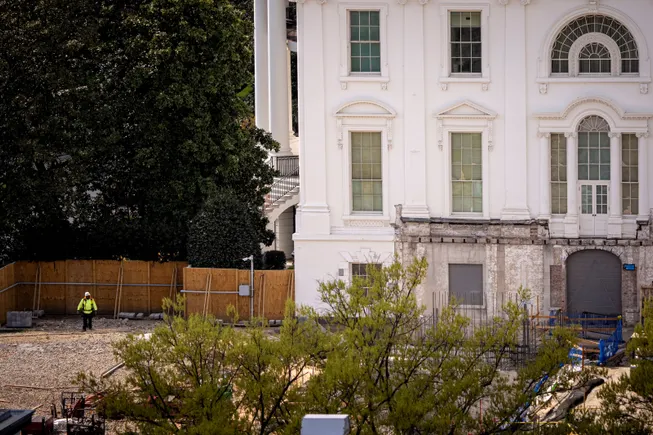
Court Rules: Trump White House Ballroom Groundwork Suspended, Underground Construction Allowed to Continue
New developments have emerged in the legal dispute surrounding President Trump's White House ballroom construction project. On April 16, Senior U.S. District Judge Richard Leon, who is overseeing the case, revised the previous stop-work order, clarifying that only above-ground construction of the ballroom is suspended, while underground work involving national security upgrades may proceed. Previously, the U.S. Court of Appeals for the D.C. Circuit voted 2-1 to allow the work to temporarily continue and instructed Judge Leon to promptly clarify the relationship between the injunction and the security exception.

How Construction Companies Can Make the Most of 100% Bonus Depreciation: Four Practical Recommendations
With the passage of the One Big Beautiful Bill Act, construction companies have regained the tax benefit of 100% bonus depreciation. However, amid IRS staff reductions and extended processing cycles, companies need to strengthen documentation management, use cost segregation studies prudently, and improve fixed asset ledgers to ensure deduction benefits are realized and reduce audit risk. This article offers four practical recommendations.
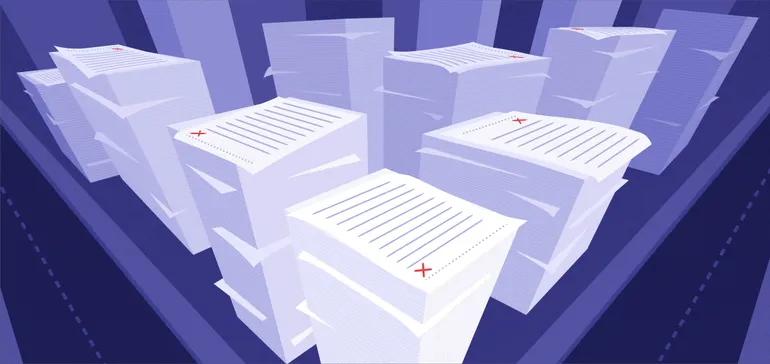
Key Points of the New E-Verify Rules That Builders Must Know in 2026
Starting March 19, Ohio will mandate the use of the federal E-Verify system for public works and non-residential contractors, with violators facing fines of up to $25,000 and a two-year bidding ban. This article outlines regulatory differences, compliance essentials, and legal risks across 25 states nationwide.
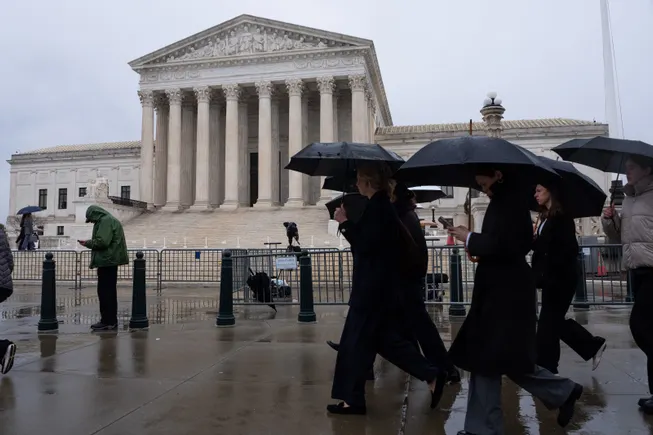
Analysis of the Actual Impact of the Supreme Court Tariff Ruling on the Construction Industry
The U.S. Supreme Court ruled 6-3 that the Trump administration lacked the authority to impose global reciprocal tariffs under emergency powers, which may result in a moderate decrease in prices for building materials such as specialized equipment, HVAC systems, and electrical systems. However, the White House immediately stated it would seek alternative tariff tools, and tariffs on specific materials like lumber, steel, aluminum, and copper remain unaffected. Industry experts warn that the market may face a new round of uncertainty and a wait-and-see attitude.

Analysis of the Impact of EPA's Proposed WOTUS Rule on the Construction Industry
On November 17, 2025, the U.S. Environmental Protection Agency (EPA) and the U.S. Army Corps of Engineers (USACE) jointly issued a proposed rule to redefine the scope of "Waters of the United States" under the Clean Water Act. The new rule aligns with the Supreme Court's 2023 Sackett v. EPA decision, focusing federal jurisdiction on "relatively permanent, standing, or continuously flowing bodies of water," and includes significant exclusions for ditches, groundwater drainage systems, and others. If the rule is finalized, developers, consultants, and landowners will gain clearer jurisdictional determination standards, but pre-project environmental assessment processes may also be adjusted accordingly.