
Opinion

Safety is not a cost, but one of the biggest profit drivers in the construction industry
The construction industry has long faced challenges of low profit margins and slow productivity growth, with safety often viewed as a resource drain competing with schedule and cost. However, with the application of digitalization and AI technologies, the administrative burden of safety management has been greatly reduced, instead enhancing project efficiency and profitability. The author of this article argues that contractors who treat safety as a profit driver will gain a competitive edge in the coming decade.
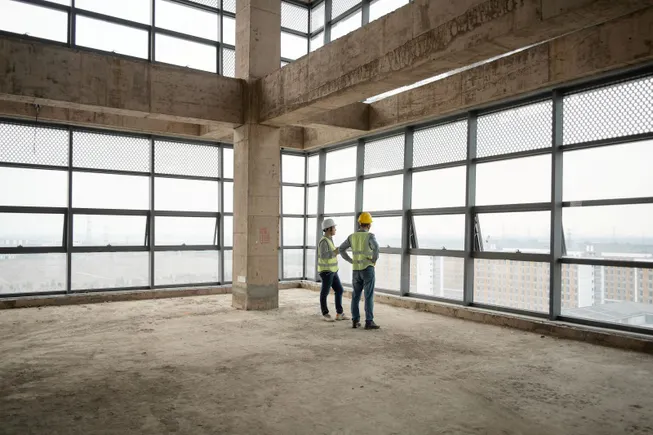
Private Equity Mergers and Acquisitions of Construction Firms May Heighten Project Risks
The fragmentation of the construction industry attracts private equity mergers and acquisitions, but vertical integration and affiliated structures may trigger conflicts of interest, governance deficiencies, and short-term pressures, requiring enhanced disclosure and independent oversight.

Building a Construction Team Without Hiring Anyone: A Structured Path to Internal Promotion
Construction companies often hit growth bottlenecks due to a lack of clear organizational structure. This article uses the case of a subcontractor with annual revenue of approximately $15 million to illustrate how, through internal talent assessment, role restructuring, and support system development, teams can be expanded and performance doubled without adding external hires.
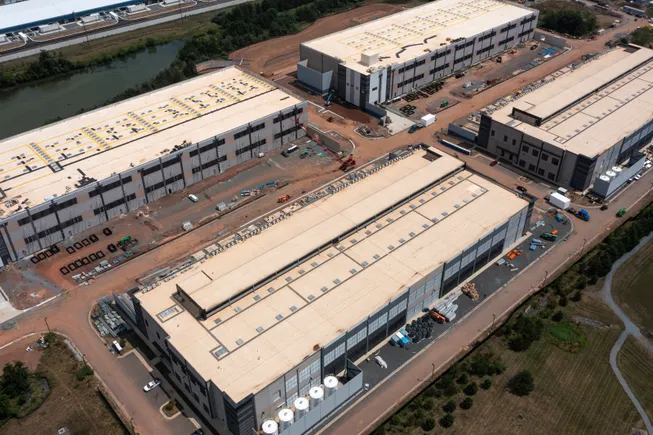
Builders must become a key force in responding to data center opposition
The data center construction market is well-funded, but project bottlenecks have shifted to community opposition and permitting approvals. Builders need to engage with communities early to alleviate opposition and ensure projects are delivered on time.
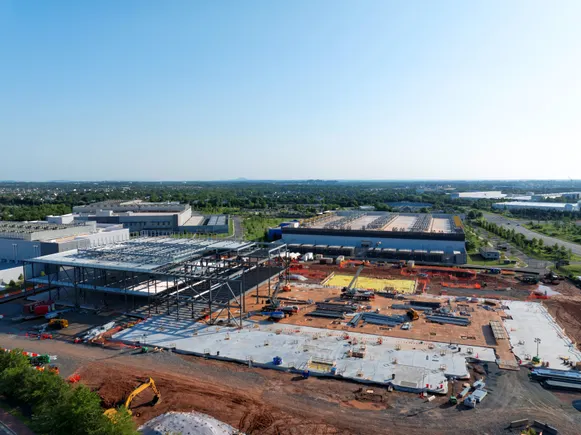
AI Integration Empowers Construction Sites: Industry Transformation Amid the Data Center Construction Wave
As the demand for data center construction surges, the construction industry faces the dual challenges of a skilled worker shortage and resistance to AI applications. This article analyzes the reasons behind worker resistance and proposes leveraging leadership guidance, a safe learning environment, and practical AI tool applications to drive the industry's transformation from traditional manual methods to digital collaboration, addressing future construction pressures.

How Construction Business Owners Evaluate Executive Candidates: A Decision Framework Beyond Conventional Hiring
When selecting core executives, construction business owners must go beyond conventional hiring thinking, focusing on candidates' growth trajectory, willingness to take responsibility, and family support, and conduct in-depth assessments through scenario-based interviews.
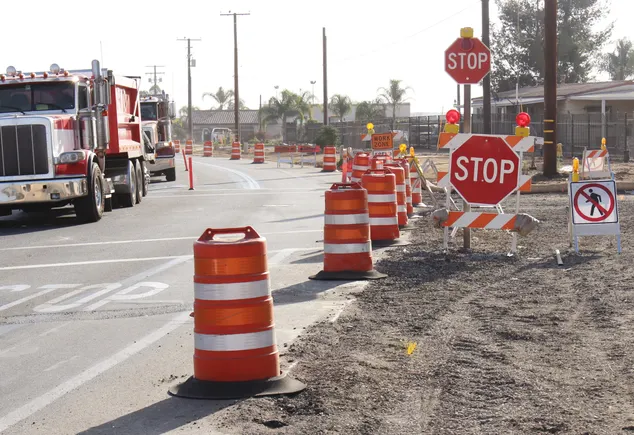
Construction Season and Freight Safety: Why the Building and Trucking Industries Must Act Now
With the arrival of the spring construction season, road work zones pose a serious threat to trucking and passenger vehicles. This article analyzes the causes of risk and calls on the industry to leverage existing technology, strengthen training and accountability, and prioritize safety prevention rather than reactive response.

The Hidden Cost of Texas's Rapid Infrastructure Expansion
Texas has added over 2.5 million residents since 2020, fueling more than $200 billion in transportation and utility infrastructure investment. However, skilled labor shortages, compressed schedules, and large-scale coordination pressures pose severe challenges to quality control. The industry needs to embed quality assurance throughout the project lifecycle and, through training and expectation management, strike a balance between speed and long-term reliability.

How the Trades Are Finding AI's Best Uses First
AI's application in the trades is not about replacing human labor but becoming a capability multiplier. BuildOps co-founder Alok Chanani, through a Dallas data center example and industry survey data, points out that due to the inherently physical nature of their work, tradespeople have seen AI's role more clearly and earlier: not about downsizing, but about expanding possibilities.

The Real Drivers Behind Fluctuations in Construction Cost Estimates
In an era of rapid technological iteration and market volatility, construction project teams face pressure to lock in budgets early, yet high-quality cost estimates require time and professional judgment. This article analyzes how key variables such as labor scarcity, material price fluctuations, and insufficient bidding competition lead to cost deviations, and emphasizes enhancing estimate reliability through cross-disciplinary collaboration and layered review, making them effective tools for strategic decision-making.