
Deep Dive
来自我们记者的行业洞察
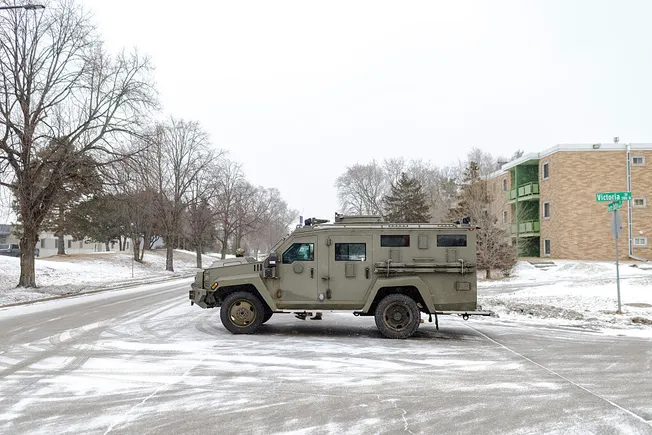
Immigration raids are hitting multifamily operators. Here’s how they’re responding.
Since late 2025, U.S. immigration enforcement actions have unfolded in multiple cities, affecting the multifamily housing market to varying degrees. Based on first-hand feedback from institutions such as Centerspace, John Burns Research & Consulting, and Coastline Equity, this article analyzes slowing population growth, pressure on Class C assets, and operators' compliance responses.
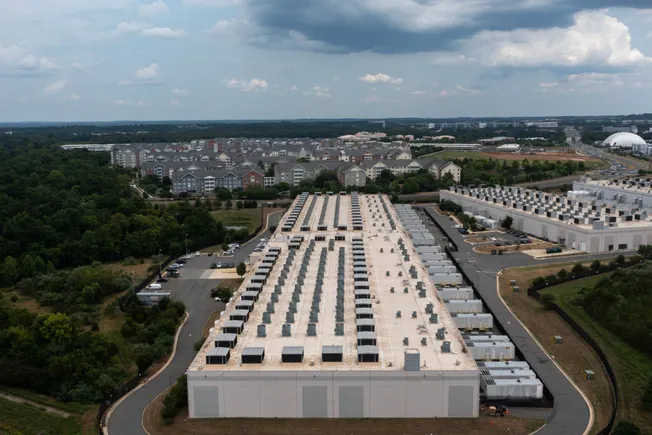
Breaking down the data center opportunity for builders in 2026
In 2025, data center construction became the core driver of the construction industry, with tech giants committing up to $500 billion. In 2026, this trend is expected to continue, but builders face dual opportunities: directly participating in large projects or undertaking surrounding infrastructure, while leveraging AI technology to improve their own efficiency. However, concerns about an AI bubble persist, and market volatility may bring risks.
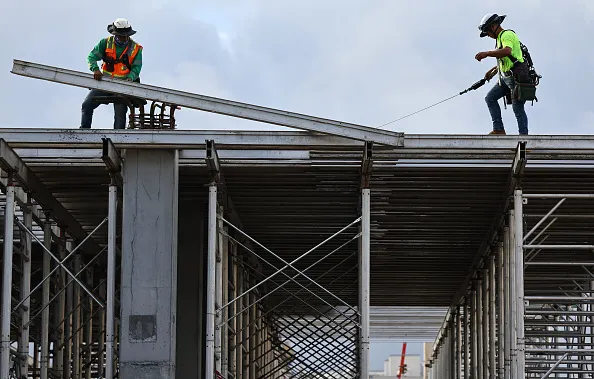
How immigration enforcement will impact construction in 2026
The impact of the Trump administration's second-term immigration policy on the construction industry will gradually become apparent in 2026. Although current workplace enforcement cases are limited, workers leaving voluntarily due to fear, rising labor costs, and divergence in industry demand have already begun to take effect. Multiple economists predict that with increased ICE funding and expanded enforcement scope, the construction industry will face more severe labor challenges, especially in high-end project sectors such as data centers, where competition will become intense.
5 construction trends to watch in 2026
In 2026, overall activity in the construction industry is expected to slow, but demand in specific sectors such as data centers and infrastructure remains strong. Material costs are expected to rise moderately by 2% to 4%, with tariff policies remaining the biggest uncertainty. Falling interest rates are expected to bring a delayed positive effect, while manufacturing investment is becoming more rational.
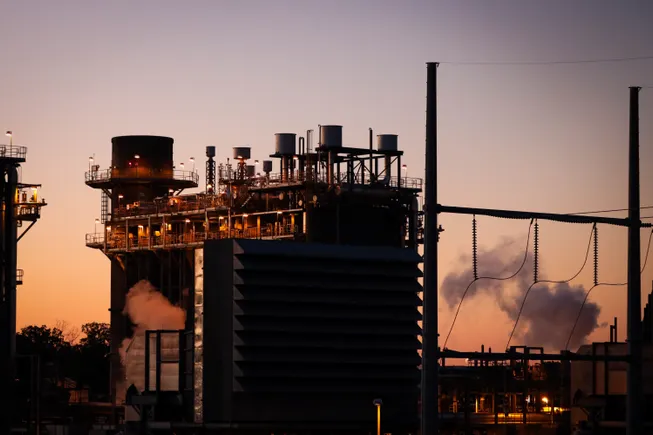
What the last gas boom (and bust) says about today’s rush to build
Twenty-five years ago, data center demand drove a boom in U.S. natural gas power plant construction, but after the dot-com bubble burst, demand fell short of expectations, leading to overcapacity. Today, AI electricity demand is again triggering a natural gas investment boom, but the industry structure and market environment have undergone profound changes. This article compares the two cycles and analyzes investment risks and regulatory responses.
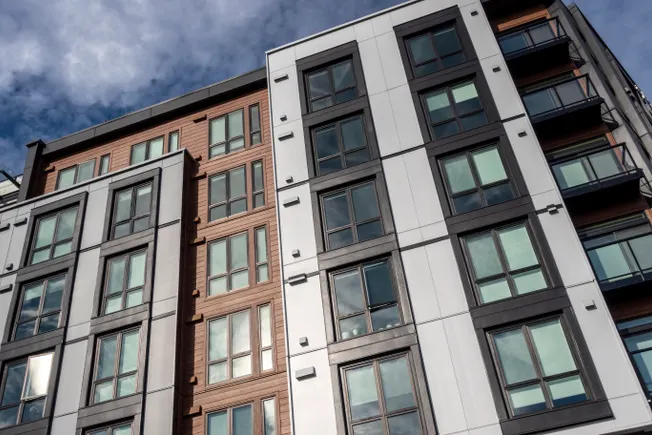
Under Tariffs, Employment, and Supply Pressures, Multifamily Operators Prioritize Occupancy
The multifamily housing industry had anticipated that reduced new supply in late 2025 and 2026 would drive rent increases, but economic uncertainties such as tariffs, slowing job growth, and declining consumer confidence have shifted operators' strategies toward prioritizing occupancy in 2025. This article synthesizes insights from multiple economists and REIT executives to analyze current market conditions and future outlooks.
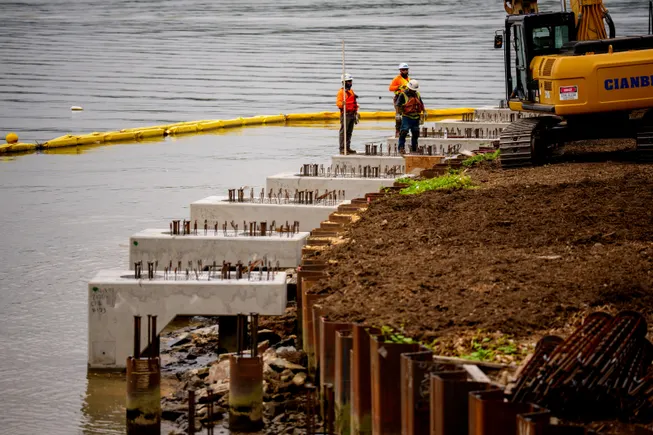
Construction Industry Weighs Tariff Hopes and Concerns: H2 2025 Outlook
Five months after President Trump announced the "Liberation Day" tariff policy on April 2, 2025, the U.S. construction industry faces a significant surge in import tariffs on raw materials such as steel, aluminum, and copper. Industry opinions on the tariff impact are split into two opposing views: supporters argue that tariffs can drive manufacturing reshoring and promote industrial construction, while opponents emphasize the negative effects of rising costs, labor shortages, and policy uncertainty. Several industry economists and contractor executives have weighed in on the discussion, and the industry is actively adapting through diversified procurement and advance purchasing strategies.
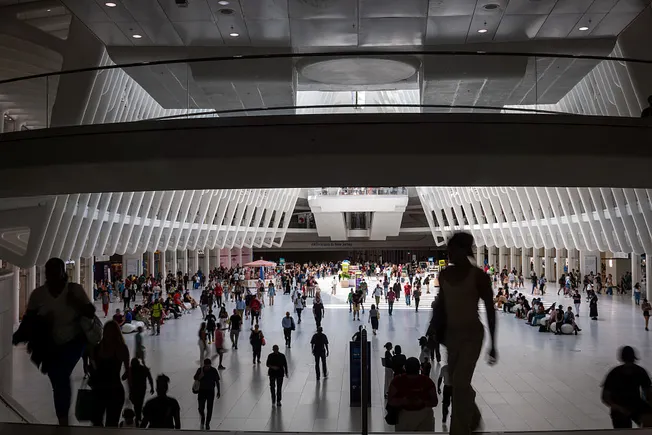
Mid-2025 Human Resources Review: Layoff Wave, DEI Shift, and the 'Tricky' AI Future
Halfway through 2025, the human resources field faces a wave of layoffs, adjustments to DEI programs, and difficulties in AI application. This article synthesizes multiple perspectives to analyze the balancing challenges HR faces among cost reduction, employee experience, and technological innovation.
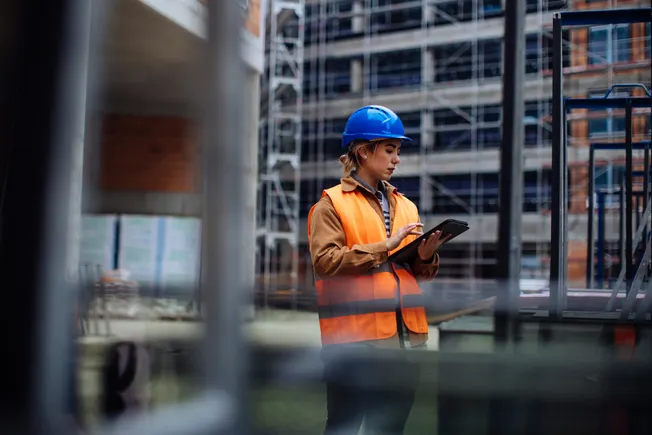
Construction Contractors' Venture Capital Shifts Toward Late-Stage Startups
Construction contractors are taking a pragmatic approach to venture capital, preferring to invest in startups that have achieved commercial maturity. Companies like DPR Construction, Suffolk Technologies, Webcor, and Turner Construction, through their internal investment arms, focus on technologies that address real industry challenges. Industry experts note that companies in later funding rounds demonstrate greater resilience and profitability, while the adoption of technologies such as AI is driving industry transformation.
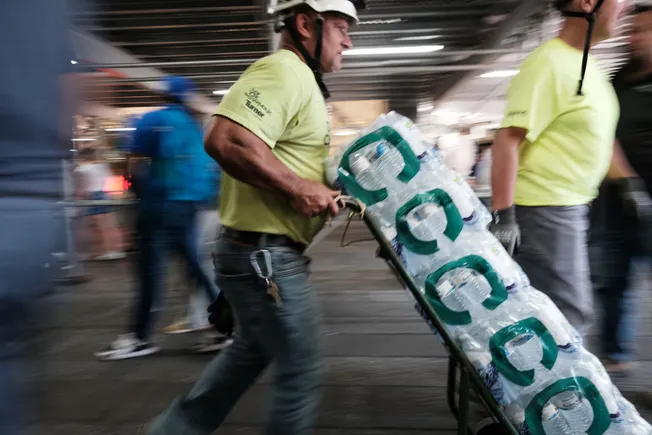
Responding to High Temperatures and Extreme Climate: How Employers Build Employee Safety Protection Systems
As climate change intensifies, extreme weather events such as extreme heat are becoming more frequent, posing serious threats to workers. Based on expert interviews, this article analyzes how employers should develop and implement heat protection plans, including providing basic safeguards such as water, rest, and training, and emphasizes the importance of employee participation and systematic risk management.