
Ryan Cos. Executives Analyze Real-World Challenges in Data Center Construction
Ryan Cos. executives noted that while demand for data center projects is strong, practical constraints such as site selection, permitting, and supply chain are forcing contractors to carefully select projects and reassess construction timeline expectations.
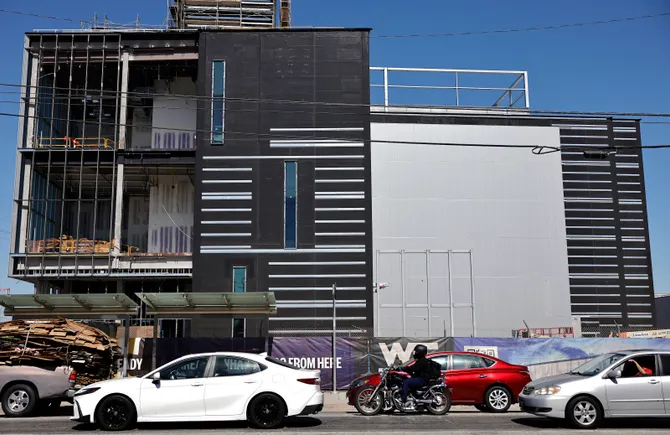
Contractors are well aware that the recent flurry of data center project announcements will face a noticeably slower pace once ground is actually broken. According to Dodge Construction Network data, data center planning volume in June fell from the "extraordinary levels" seen earlier in the year, but the sector remains a major source of business for large contractors nationwide. However, despite high demand, Eric Abrams, senior vice president of operations for Ryan Cos.' mission-critical division, said zoning and permitting constraints remain the top concerns for developers and contractors.
Ryan Cos.' own experience illustrates this: the company recently estimated that delays on its Google data center project could result in losses of at least $5 million. This follows a judge's ruling that environmental groups had sufficient grounds for their challenge to whether the project's environmental review process complied with state regulations.
Michael Beadle, senior vice president of operations for Ryan Cos.' mission-critical division, noted that these constraints are forcing builders to carefully choose which projects they ultimately take on. Here, Beadle and Abrams spoke with Construction Dive about client relationships, project timelines, and the direction of the data center construction boom.
Editor's note: The following has been edited for brevity and clarity.
How are contractors becoming more selective?
Construction Dive: How are contractors becoming more selective about data center projects?
Eric Abrams:Ryan Cos. focuses on working with clients who deeply understand the challenges and complexities inherent in data center projects. This means we are no longer just focused on initial cost, but rather engaging in important discussions around safety, quality, and a shared vision for the project. As a general contractor, we tend to take on projects that emphasize sustainability and innovation. Accordingly, we choose to team with clients who have a clear understanding of their delivery goals and value future resilient and energy-efficient infrastructure.

What is the biggest misconception about AI data center delivery speed?
Michael Beadle:A common misconception is that data center facilities can be built as quickly as the software they support. Construction schedules are governed by the constraints of the physical world, not the speed of digital innovation. These constraints include power availability, as well as the procurement and assembly of specialized electrical and cooling equipment—a process that can take years given current global supply chain conditions. The AI revolution is advancing rapidly, but its physical foundation is a marathon requiring strategic planning and execution. Those who plan ahead, act quickly when the market shifts, and are willing to build long-term partnerships with contractors and suppliers are the most likely to achieve on-time delivery.
How important is site selection for these projects?
Beadle:Site selection is arguably the most critical decision in data center development, as it dictates the project's timeline, budget, and ultimate feasibility. Project success depends on securing sites with access to substantial, reliable power, which requires long-term strategic relationships with utility partners. The ideal site must also have ample room for expansion, viable cooling strategies, and a regulatory environment conducive to streamlined permitting. A highly localized factor is the site's appeal to construction labor—for example, including the convenience of commutes for construction workers from where they live to the site, as well as the amenities surrounding the site. We are seeing many subcontractors and suppliers choosing projects based on the preferences of their scarce skilled workers.

Where do project delays most commonly occur now?
Abrams:Navigating the complex web of zoning regulations, permitting requirements, and environmental rules is a common source of project delays. Obtaining the necessary approvals can be a lengthy process, and evolving industry standards add another layer of complexity. Regulatory changes are also a frequent source of unexpected schedule disruptions.
Beadle:Even when clients have excellent procurement teams, the supply of long-lead electrical and mechanical equipment remains a scheduling challenge. Securing reliable off-site manufacturing and on-site commissioning and testing labor is another hurdle. Currently, the number of data center projects in planning or under construction exceeds the supply chain capacity for equipment and materials. This supply-demand dynamic places immense pressure on the "just-in-time" commissioning and testing model at the tail end of every project.
What other important trends are there in data center construction?
Abrams:More and more data center operators are aligning with the industry-wide focus on sustainability. A prime example is the shift from traditional air cooling to advanced liquid cooling systems. New facilities are being designed with a greater emphasis on reducing water usage and improving energy efficiency.
Beadle:We are also seeing power density in data halls increase due to higher power consumption and the miniaturization of new chip technologies. Currently, electrical and mechanical equipment are dictating building size, rather than the space of the data hall itself. We expect this to continue to put pressure on stacking more power into smaller areas, thereby increasing the need for high-energy safety planning and hazard analysis before power delivery activities.