
Restructuring Construction Fleet Management: Unlocking Cost Savings Potential with Flexible Mobility Solutions
Rising costs of vehicle acquisition, insurance, maintenance, and management in the construction industry make Total Cost of Ownership (TCO) difficult to accurately calculate. Citing industry data and expert insights, this article points out that flexible fleet combinations (owned, leased, rented), managed maintenance programs, and predictive planning based on historical data can effectively reduce TCO, and introduces Enterprise's comprehensive mobility solutions.
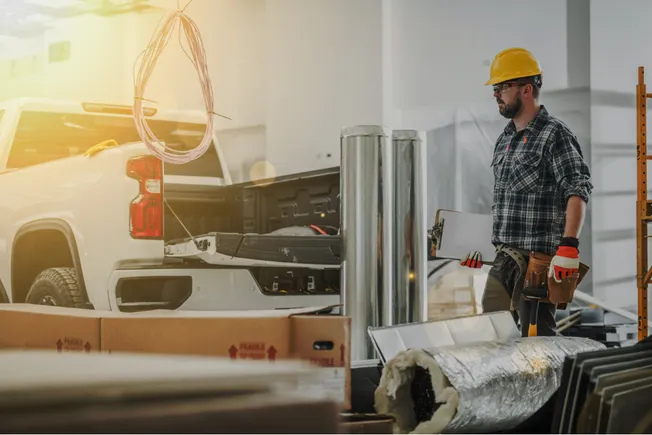
It is no secret that the costs of owning and managing vehicles for construction companies continue to rise. It is even harder to fully calculate total cost of ownership (TCO) and find ways to reduce this expenditure under multiple cost pressures.
The cumulative effect of rising costs
One direct source of financial pressure is vehicle acquisition. In recent years, the prices of light trucks (such as pickup trucks) have risen significantly. Since 2021, the delivery prices of factory orders havesoared by 51%, while commercial vehicle insurance costs in 2024continued to climb, with no signs of easing.
Maintenance costs are also increasingly expensive. Labor shortages and supply chain challenges have jointly driven up prices for labor, materials, and parts. Other fleet management costs are harder to quantify but equally impact profits, such as unexpected downtime and project delays caused by vehicle breakdowns.
The time required for fleet management—including procurement and maintenance decisions, and responding to seasonal and market fluctuations—is another hidden cost that keeps accumulating. "Many construction companies do not have dedicated staff to manage fleets," said Billy Dobosz, Assistant Vice President at Enterprise Fleet Management. "Often, these decisions fall on employees who juggle multiple roles."
In a capital-intensive industry like construction, hasty decisions are costly—funds must be advanced upfront, while full payment depends on project completion. Companies may try to delay large expenditures like vehicle purchases to ease cash flow pressure, but if old vehicles are scrapped or repair costs become too high, they are forced to act quickly, or they risk losing contracts and damaging their reputation.
"With a reactive fleet plan, decisions are based only on immediate needs," said Dobosz. "But to truly use capital efficiently, you must plan ahead."
Three key ways to reduce fleet costs
Fully owned vehicles come with a range of costs and burdens, but companies may also be reluctant to shift to fully on-demand rental or leasing. Many contractors do not realize that alternative fleet management approaches exist that provide on-demand vehicle access while reducing risk and overhead.
The following three strategies, used in combination, can help reduce TCO while improving vehicle efficiency and reliability.
1. Build a flexible fleet model suited to your business
A strategy that sources vehicles through multiple channels—leasing, owning, and renting—can balance risk and uncertainty in vehicle management. "One of the biggest hidden costs of the ownership model is having the wrong number of vehicles," said Gordon Welsh, Enterprise Business Development Manager at Enterprise Truck Rental. "Many construction companies tie up capital in assets that are not being used efficiently."
A hybrid plan that includes renting and leasing can ease cash flow pressure by optimizing the asset mix. This approach also enhances safety—critical in the construction industry: companies can replace vehicles during recalls or other safety issues, or take advantage of early trade-in options on leased vehicles to upgrade to newer models with better safety features.
Convenient rental channels not only allow contractors to fill gaps during recalls or repairs, but also to seize temporary or seasonal business opportunities that require short-term vehicles.
2. Make maintenance economical and seamless
Comprehensive maintenance programs also help improve safety by monitoring service needs and scheduling preventive maintenance. This is an important strategy for addressing the hidden costs of ownership.
"Companies that manage maintenance themselves may be paying unnecessarily high costs," said Dobosz. "Going it alone means missing out on the negotiated rates that mobility partners secure through strategic relationships with maintenance suppliers. This is a typical hidden cost in the ownership model, as many people are unaware such savings are possible."
Under a managed maintenance program, service costs are included in the contract, and because the partner operates at a larger scale, repair prices are often much lower than retail rates.
Telematics—smart device monitoring technology integrated into vehicles—can further optimize maintenance costs, providing contractors with real-time insights into vehicle health and usage. These insights support preventive maintenance, reduce unexpected breakdowns, strengthen cost control, and improve overall fleet efficiency and performance.
3. Shift from reactive to proactive and predictive
In a well-managed fleet, maintenance is preventive and planned, not merely reactive to problems. However, managed maintenance is just one aspect of proactive fleet management. Accessing historical data through a mobility partner helps companies plan more effectively.
"By identifying patterns, we help customers plan ahead rather than just respond to issues," said Brett Vandermeulen, Director of Truck Rental North America at Enterprise Mobility. "For example, if some trucks have higher mileage than others, we recommend adjusting usage to slow depreciation and maintenance cycles. In the long run, proactive management is more economical and less disruptive to the business."
Accessing the right mix of vehicles and solutions, especially with the right partner, helps companies plan ahead. Enterprise leverages its expertise in the rental business and vast historical data to help companies plan more effectively. "We are the world's top experts at putting the right vehicles into operation and keeping them compliant and on the road," said Welsh. "We apply the experience of managing fleets in our rental division to commercial customers."
Complete mobility solutions from a single partner
With its comprehensive portfolio of services and solutions, Enterprise can flexibly support the unique needs of construction companies—whether it's full fleet management, seasonal truck rental, or other business mobility needs.Enterprise Fleet Managementprovides long-term leasing, maintenance, and full lifecycle planning for assets (whether owned or leased), whileEnterprise Truck Rentaloffers flexible truck and van rental services to meet short-term or seasonal needs. Enterprise Truck Rental'sFlex-E-Rentis positioned as a flexible middle ground between short-term rental and full leasing or fleet management programs.
Despite Enterprise's national coverage and vast vehicle network, customers still enjoy the convenience of local service. "We live and work in our customers' communities," said Dobosz. "We understand their goals and needs, and we know their concerns. They know they can always reach us because our job is to provide accurate information to help them make the best decisions."
For more information or to discuss your vehicle needs with a local expert, visitEnterprise.com。