
Why ESG Has Become a Core Consideration for Multifamily Developers and Investors
Over the past decade, ESG considerations have become increasingly prevalent in commercial real estate development. For multifamily developers and investors, ESG is not just about green building certifications but has become an important basis for investment evaluation, insurance negotiations, and risk management. This article explores the three dimensions of ESG, insurance and environmental risks, and how to protect asset value through due diligence and disclosure.
Brad Siegal is a shareholder in Buchalter's Nashville office and a member of the real estate practice group, focusing on the acquisition, disposition, and development of multifamily properties in the southeastern United States. While representing a large integrated real estate investment trust, he participated in numerous multi-property and portfolio multifamily transactions.
Heather Wright is a shareholder in Buchalter's Nashville office, where she helps commercial real estate clients identify operational risks, manage risks through insurance, and maximize insurance recoveries under various commercial insurance policies.
The views expressed in this article are solely those of the author.
Over the past decade, environmental, social, and governance (ESG) considerations have become quite prevalent in commercial real estate development.
In addition to well-known green building certifications such as LEED, investment companies in the multifamily asset class are increasingly using ESG as a criterion for evaluating investment opportunities. These considerations include:
- E (Environmental): Typically covers issues such as greenhouse gas emissions, climate change, carbon footprint, waste management, and pollution.
- S (Social): Refers to the impact on people within the organization and the community, such as diversity and relations, health and safety, and inclusion issues.
- G (Governance): Involves matters such as succession planning, executive compensation, board and shareholder management, and diversity and structure.
ESG factors considered in development or investment analysis may include: reducing pollution through the use of improved materials and technologies, adopting Energy Star appliances, integrating renewable energy such as solar where feasible, and providing smart thermostats and similar advanced technologies to enhance environmental awareness and energy efficiency.
Assets that fail to meet emerging energy efficiency or resilience standards may rapidly depreciate, complicating replacement cost valuations. As environmental standards and market preferences evolve, concerns about stranded assets are rising. Therefore, considering these issues in any project development has become crucial for developers and investors.
Insurance Considerations
In ESG analysis, particularly relevant to environmental considerations is insurance—including cost and coverage.
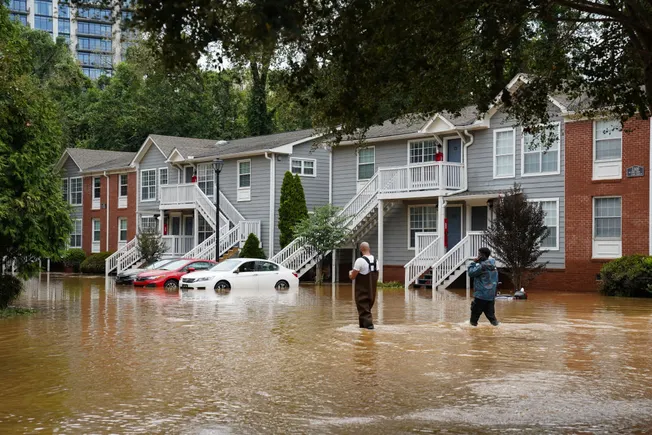
In recent years, physical climate risks (including frequent and severe storms, floods, wildfires, sea-level rise, and extreme temperatures) have increased insurers' expected losses. Increased losses have led to reduced market capacity and tighter underwriting standards, driving significant increases in property and liability insurance rates.

Environmental performance is becoming a factor in premium differentiation. Properties demonstrating verified sustainable measures and resilience (such as energy efficiency, flood protection, and fire hardening) may obtain better terms, credits, or capacity.
Conversely, poor ESG metrics may drive up costs or limit coverage availability. Documenting mitigation investments and obtaining third-party green certifications can play a role in negotiations with underwriters.
Similarly, insurers may make upgrades a condition for restoring coverage or limit payouts for outdated rebuilds. Owners and investors should include green retrofit costs in valuation planning, negotiate policy wording for inflation and upgraded coverage, and plan phased upgrades to mitigate stranded asset risk.
From an environmental risk perspective, soil and groundwater contamination, hazardous building materials, and indoor air quality issues can lead to third-party claims, remediation costs, and reduced property values. Many standard commercial property policies exclude or limit pollution losses, forcing owners to rely on separate environmental liability products or pollution extension endorsements.
Self-Protection
Strong Phase I/Phase II environmental assessments, environmental management systems, and appropriate pollution liability insurance are necessary risk transfer steps. Accurate disclosure and compliance with warranty obligations are equally critical.

Investors, lenders, and counterparties expect environmental transparency; failure to disclose known contamination or significant risks may jeopardize coverage or trigger subrogation claims. Owners should maintain consistent disclosure practices, align insurance submissions with loan and lease warranties, and promptly notify insurers of material events or site changes.
The rising frequency and severity of environmental and catastrophe losses present unique and serious insurance claim challenges. The scale and scope of damage often overwhelm local claims infrastructure, leading to inspection delays, slow payouts, and shortages of materials and qualified contractors.
Increased coverage disputes over cause and proximate cause, concurrent cause and anti-concurrent cause issues, and the application of sub-limits also delay claims handling. Additionally, business interruption risks beyond direct physical damage can increase dramatically. Major environmental events may disrupt utilities, supply chains, and tenant operations and access, causing loss of income and extra expenses.
Proving these business interruption losses can be complex, time-consuming, and expensive.
Owners, investors, and asset managers should conduct rigorous environmental due diligence and ongoing monitoring, and adjust insurance programs to cover pollution and climate-driven risks. Investing in resilience measures and documenting these investments will enhance the sustainability, insurability, and marketability of property portfolios.
Clickhereto subscribe and receive multifamily and apartment news like this in your inbox every business day.