
AI can point out the problem, but cannot solve it for you
The application of artificial intelligence in the construction industry is increasingly widespread, capable of quickly analyzing data and identifying risks, but it cannot replace human decision-making. This article points out that insight does not equal results, and technology should support rather than replace professional judgment.
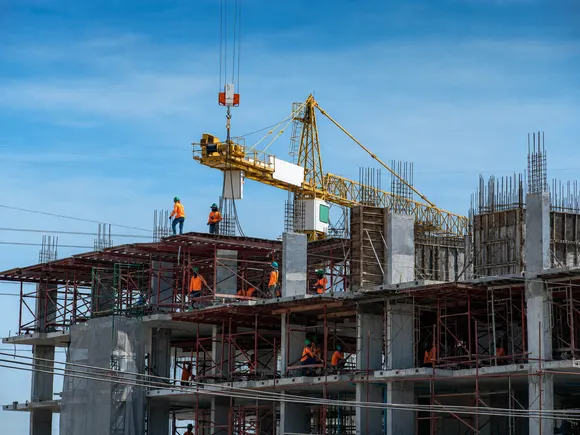
Artificial intelligence is rapidly changingthe way construction teams access and utilize project information. Tasks that once required hours of manual review can now be completed in minutes; large datasets can be analyzed in seconds; potential issues can be identified earlier; and patterns that might have been overlooked can automatically surface.
For an industry that has spent years working to improve the collection and organization of project information, these capabilities are significant advances. However, there is a critical difference between gaining insights and improving outcomes.
As AI becomes more powerful, much of the discussion focuses on what technology can tell us. But perhaps the more important question is: what happens after the insight is delivered?
The construction industry has spent years tackling data challenges
Not long ago, one of the biggest obstacles in the construction industry was simply understanding what was happening on site. Teams needed better visibility into progress, quality, coordination issues, and site conditions. The industry's response was to invest heavily in tools and processes that could capture more information and make it available to project stakeholders.
The result has been an explosion of project data. Today, teams can document projects at a scale that was unimaginable a decade ago. Reality capture, digital documentation, and connected workflows have dramatically increased the amount of available information throughout the project lifecycle.
However, more data has not automatically led to better decisions. Many organizations find themselves with vast amounts of information but lacking the capacity to digest all of it. Valuable insights are often buried among thousands of photos, reports, documents, and records.
AI is helping to change this. It can process information faster than any individual and surface patterns, trends, and answers that would otherwise be difficult to find. This is a meaningful step, but not the final one.
Insight without action has limited value
AI can identify potential risks, reveal inefficiencies, and point out early signs of problems before they escalate. But it cannot change how a project is managed.
Construction teams still need to decide how to respond to the information presented to them. They still need to adjust schedules, change processes, coordinate teams, and make difficult decisions. Technology can support these actions, but it cannot replace them.
This is where organizations sometimes get stuck. Greater visibility can create the illusion that progress is happening—simply because there is a clearer understanding of the current state. In reality, understanding a problem and solving it are two very different things.
The value lies in teams applying what they learn to change outcomes.
In this sense, AI should be seen as a tool to accelerate knowledge, not as a substitute for automated decision-making. It helps people understand more and understand faster. What happens next remains a human responsibility.
Why experience still matters
As AI capabilities grow, human expertise becomes more important, not less.
The most effective applications of AI are often thosethat combine technology with experienced professionals—where they evaluate recommendations, apply contextual knowledge, and determine the best course of action. Technology may make these experts more efficient, but their judgment remains indispensable.
The construction industry is built on experience. Project teams frequently encounter situations that require nuance, trade-offs, and a practical understanding of how work actually gets done on site. These decisions rarely fit neatly into datasets.
Therefore, AI delivers the most value when it supports knowledgeable professionals, rather than attempting to replace them. The goal should be to establish ahuman-machine collaboration modelthat helps people make better decisions with better information.
Learn how Hexagon Multivista helps construction teams more effectively capture, connect, and utilize project information throughout the entire building lifecycle. Learn more aboutHexagon Multivista.