
Safety
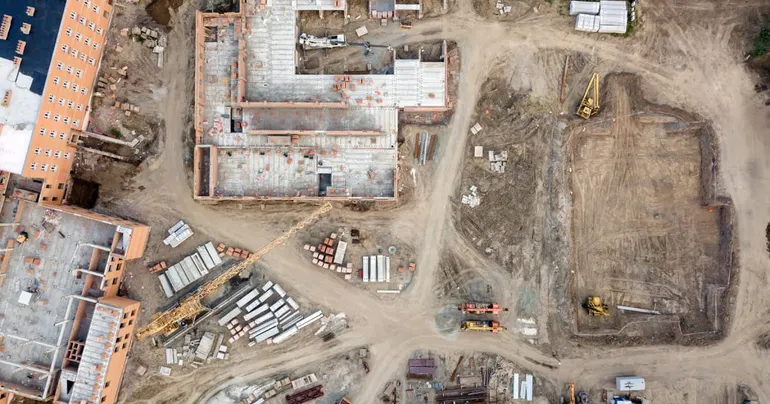
Construction’s data problem isn’t new. Brasfield & Gorrie’s approach is.
The construction industry has long faced the dilemma of data being disconnected from decision-making. Brasfield & Gorrie, with GIS at its core, integrates drone imagery and on-site data to create a single source of truth, significantly improving safety and operational efficiency. This model has been scaled across its multi-regional projects, demonstrating a new direction for data-driven construction.
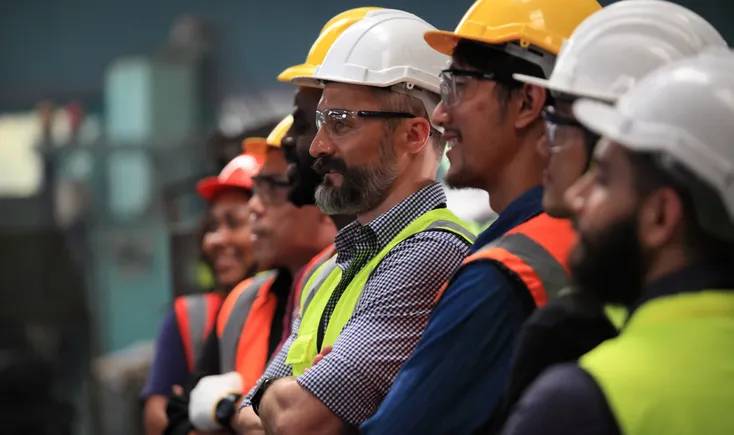
How to build a safety habit that starts when your crew clocks in
Every worker on every construction site checks in before starting work—a step everyone takes daily. This article proposes that instead of cultivating new safety habits from scratch, safety processes should be embedded into the existing check-in action, leveraging time-tracking platforms to integrate JSA, inspections, hazard reporting, and training records, thereby reducing execution resistance, improving compliance efficiency, and making safety truly part of daily workflows.

NYC DOB wraps first wave of construction safety sweeps after partial collapse in July
The New York City Department of Buildings (DOB) announced that the first round of safety inspections at sites linked to the partial collapse at 235 East 42nd Street in July has concluded, with a total of 180 sites inspected and no urgent structural hazards posing a threat to public safety found.

Type II helmets are changing construction safety. Here’s what North American contractors should know.
Traditional Type I safety helmets only protect against top impacts, which are no longer sufficient for the complex risks of modern construction sites. Type II safety helmets add lateral protection and are becoming a new trend in North American construction safety. The article analyzes their technical features, market drivers, comfort, and dual-certification value, and points out the clear direction of the industry's evolution toward more comprehensive head protection.

The next data center construction bottleneck may be outside the building
Data center construction has reached a high level of maturity in construction scheduling, but logistics coordination beyond the site fence is becoming a new bottleneck. With hundreds of truck entries and exits per week, parallel operations across multiple trades, and strict security requirements, informal coordination mechanisms are struggling to keep up. This article analyzes typical failure modes of logistics disorder and introduces practical approaches to treating logistics as a real-time project control function.
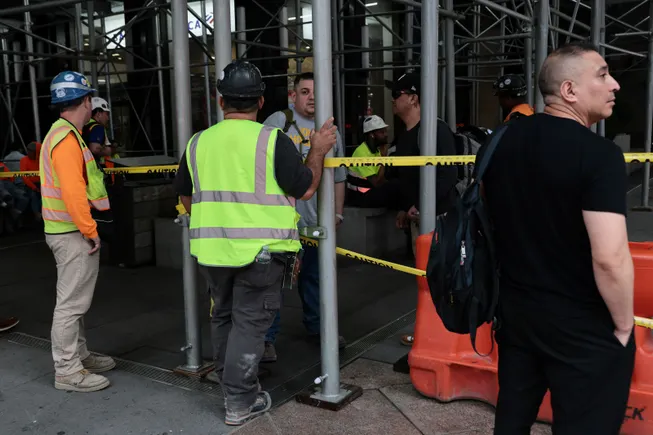
Project type ‘more than likely’ contributed to structural failure in NYC: ASCE engineer
Regarding the structural column failure in the office-to-apartment conversion project at East 42nd Street in Manhattan, New York, Norma Jean Mattei, former president of the American Society of Civil Engineers (ASCE) and professor emerita at the University of New Orleans, noted in an interview with Construction Dive that retrofitting old buildings for residential use involves inherent risks, and the project type is 'very likely' one of the contributing factors to the failure. She also compared the incident to the 2019 Hard Rock Hotel collapse in New Orleans and shared her views on potential regulatory changes.

A ‘widow-maker’: Structural failure in NYC likely to trigger legal battles
A high-rise building at 235 East 42nd Street in Manhattan, New York City, suffered steel column failure during renovation, causing nearby evacuations and road closures. The building has been initially stabilized, but legal experts predict that litigation over design, construction, and insurance is imminent.
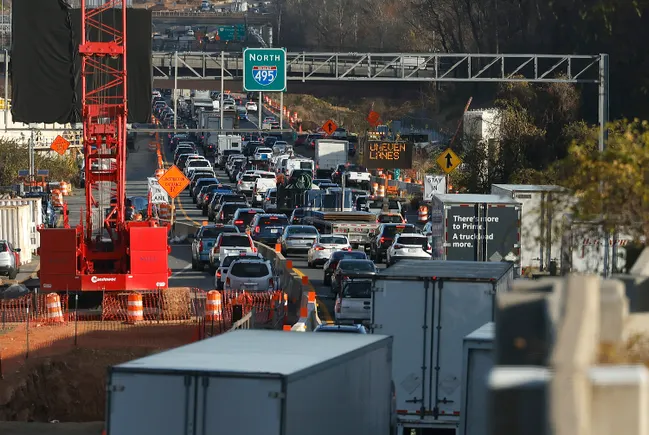
How AI could reduce struck-bys in road work zones
Road construction workers face long-term risks of being struck by vehicles, which may lead to 'habituation' and reduced alertness. Texas A&M University Assistant Professor Namgyun Kim and colleagues collaborate to study how to enhance workers' hazard perception and response through VR simulations, brain activity monitoring, and AI systems, and explore the return on investment and future trends of AI in safety training.
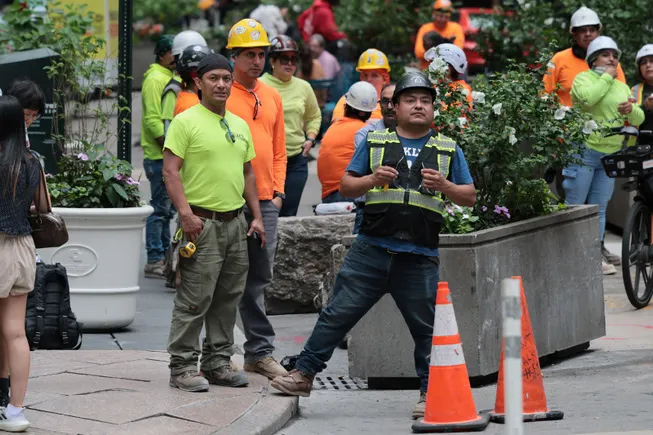
Crews stabilizing Manhattan building, engineer says top floors likely crooked
A structural beam was damaged at an office-to-residential conversion project on East 42nd Street in Manhattan, New York City, leading to evacuations and road closures. Officials said reinforcement has begun, and engineers warned that the top floors may have tilted.
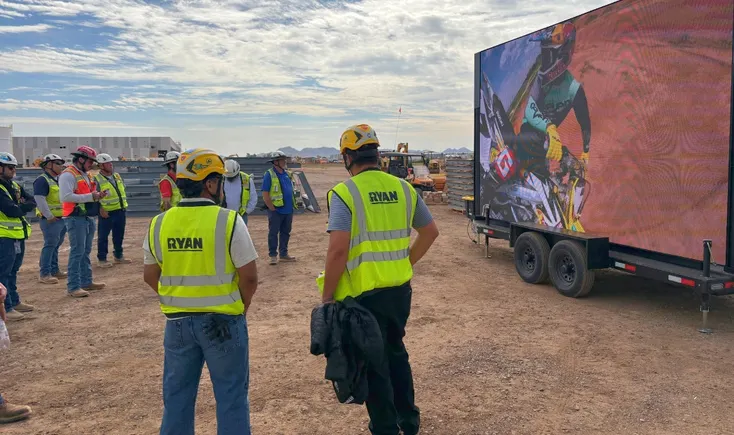
Digital displays are reshaping the future of construction sites from four aspects
With the accelerating pace of construction sites, traditional communication methods are no longer sufficient. Leveraging real-time updates, high visibility, and technological integration, digital displays are driving the digital transformation of construction sites across four dimensions: safety alerts, team collaboration, technology integration, and space upgrades.