
Economy
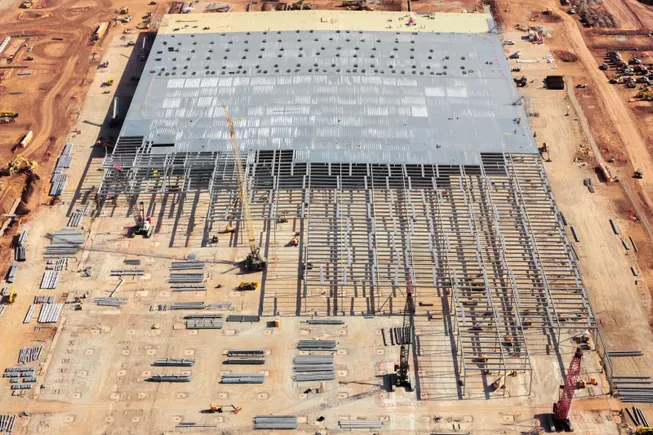
Data centers drove all nonresidential construction spending growth in July
7月美国建筑支出数据出炉:总支出环比下滑0.5%,非住宅支出增长全靠数据中心支撑,剔除后已连续两月下降。经济学家指出,电力、公路等项目虽仍增长,但均面临政策与市场不确定性。

Warsh pledges to slow inflation to 2%, saying Fed may have ‘work to do’
In a speech on Friday, Federal Reserve Chairman Kevin Walsh pledged to bring inflation down to the 2% target and noted that current financial conditions are not restrictive, hinting that future rate hikes may be needed. Market expectations for a September rate hike have risen sharply, but EY Chief Economist Gregory Daco believes traders are overreacting and expects the Fed to keep rates unchanged for the rest of the year.

Inflation holds steady, giving Fed room to leave main rate unchanged
The U.S. core PCE price index rose 0.2% month-over-month and 3.3% year-over-year in July, with inflation holding steady. Fed officials are divided on whether to raise rates, but market expectations for holding rates steady in September have increased. Consumer confidence has declined for two consecutive months, personal consumption spending growth has slowed, and the cooling economy supports the central bank's wait-and-see stance.
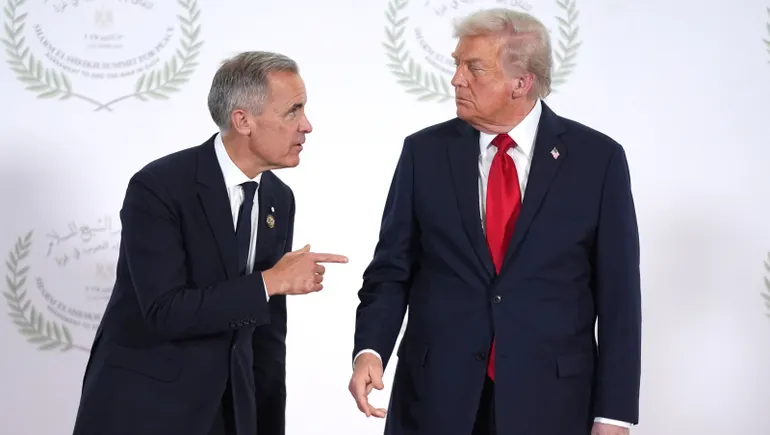
Canada to install retaliatory tariffs of up to 50% on US imports
Canada has fulfilled its promise by imposing retaliatory tariffs ranging from 15% to 50% on a range of U.S. goods starting September 8, covering steel, dairy products, home appliances, agricultural equipment, electronics, seafood, and pulp and paper. The Canadian Finance Ministry adjusted the list on Wednesday, removing seafood and fish products. Meanwhile, the Canadian government announced a CAD 7.5 billion support plan to help affected workers and businesses.

Many Fed officials flagged inflation threat, possible need to hike rates
美联储7月会议纪要显示,多数官员对通胀持续高于2%目标表示担忧,认为若通胀未见回落,政策收紧或不可避免。尽管近期通胀数据有所降温,但部分官员仍坚持鹰派立场,呼吁立即行动以遏制物价压力。
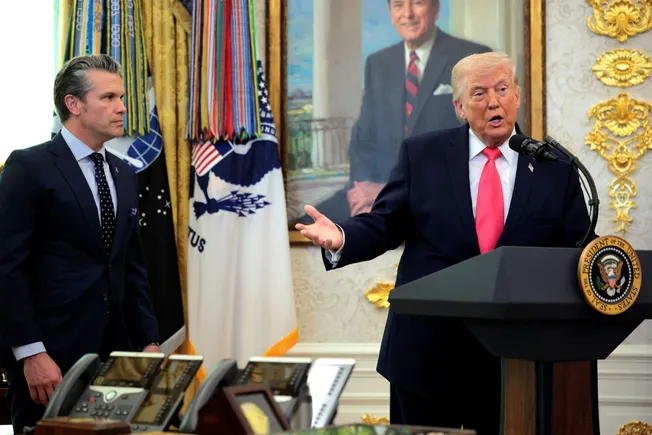
Trump imposes 100% tariffs on some drones and components
U.S. President Trump signed a proclamation on Thursday imposing 100% tariffs on certain drone systems and their components, citing that these products pose a national security threat to the United States. The new tariffs take effect on September 3 and apply to drones with a maximum takeoff weight exceeding 55 pounds and systems with thermal imaging capabilities. Other smaller drones and non-defense components will be subject to a 25% tariff. Drones from U.S. allies such as EU member states, Japan, Liechtenstein, South Korea, Switzerland, and Taiwan will be subject to a 15% rate, while UK-made drone systems will be taxed at 10% when meeting specific origin conditions.
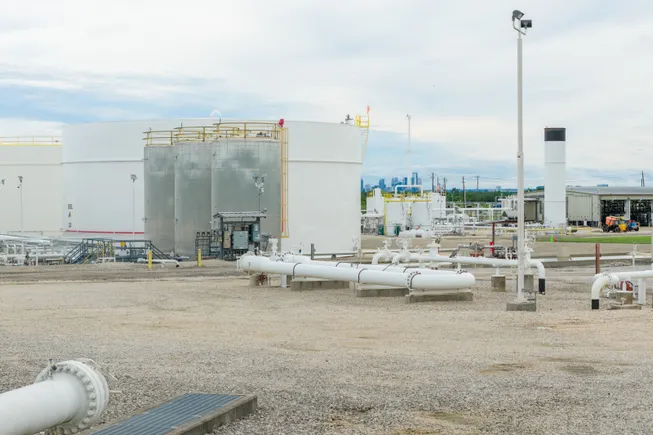
Construction costs rose 7.4% annually in July
U.S. construction input costs rose 7.4% year-over-year in July, with only a slight 0.1% month-over-month increase, mainly due to lower energy prices. However, economists warn that cost pressures will intensify in the future as fuel and some material prices rebound.

Data centers drive rebound in July construction planning momentum
The Dodge Momentum Index showed that construction planning momentum increased 6.9% month-over-month in July, with data center projects standing out and offsetting slowdowns in other commercial categories. Institutional planning surged 13.1% month-over-month, with significant contributions from education and public buildings. Year-over-year, the overall index rose 11.7%, but excluding data centers, commercial planning fell 16.2% year-over-year.
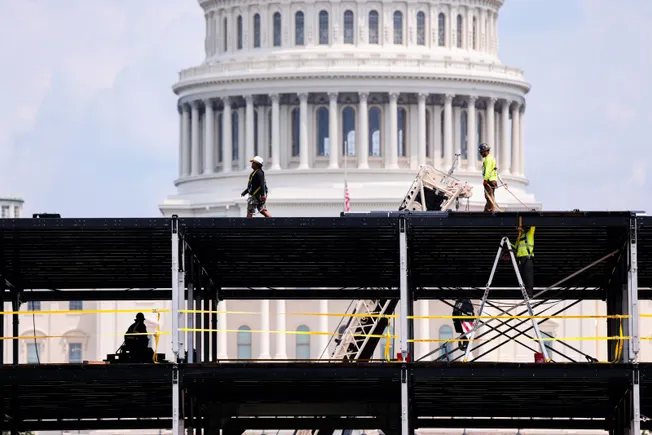
Construction spending fell 3.2% year-over-year in June, with data centers as the industry's only support
Based on data released by the U.S. Census Bureau in August, total construction spending in June decreased by 3.2% year-over-year, and private nonresidential spending fell by 4.7% year-over-year, but data center construction continued to support the industry. The chief economist at ABC noted that private nonresidential spending has declined by more than 7% since its peak in April 2025, while AGC urged the federal government to renew infrastructure funding to avoid a significant downturn in highway construction.
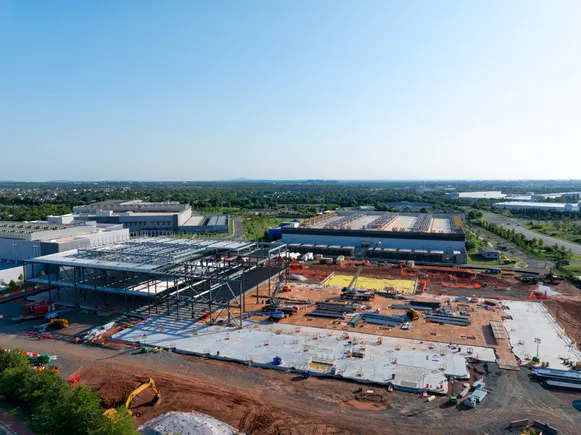
Turner Construction Cost Index Rises 5.2% Year-over-Year in Q2
The construction cost index released by Turner Construction Company in New York showed a 5.2% year-over-year increase and a 1.4% quarter-over-quarter increase in Q2 2026. Despite fluctuations in monthly cost data, annual cost pressures remain significant, driven primarily by demand in high-end sectors such as data centers and semiconductors.